
Why Your Second DUI LDP Application Was Denied
You submitted a complete Limited Driving Permit application to Georgia Superior Court with employment verification, SR-22 filing confirmation, ignition interlock device installation receipt, and proof of DUI Risk Reduction Program enrollment. The court denied it without a hearing. The denial notice cited judicial discretion, not missing documentation. You checked every box the statute required, yet the application failed at intake.
The structural reality: Georgia law grants Superior Court judges absolute discretion over second-DUI LDP applications under O.C.G.A. § 40-5-64. Most counties apply an unwritten 18-month waiting period from the conviction date before they will consider granting a permit, regardless of whether you meet every statutory requirement on day one. This waiting period is not codified in statute — it is a judicial protocol enforced at the county level through standing orders and departmental practice.
Compare car insurance rates in your state
Get quotes from licensed carriers — no obligation, no spam, results in minutes.
Get Your Free QuoteTypical Second-DUI LDP Waiting Period
18 months
Most Georgia Superior Court counties require second-DUI offenders to serve 18 months of their suspension before considering Limited Driving Permit applications, even when all statutory requirements are met at application. This waiting period reflects judicial discretion protocol, not statutory mandate.
O.C.G.A. § 40-5-64 grants discretion; county-level practice sets waiting periods
How Georgia Treats Second DUI Differently
Georgia DDS imposes a three-year administrative license suspension for a second DUI conviction within five years. The criminal court may impose an additional suspension on top of the DDS administrative action, though most counties run these concurrently. The administrative suspension is automatic; the Limited Driving Permit pathway is discretionary.
First-DUI offenders can elect an Ignition Interlock Limited Driving Permit immediately under HB 205 (effective July 2024), bypassing most of the suspension if they install an IID within 30 days of arrest and maintain SR-22 filing. Second-DUI offenders do not have this option. Your only pathway is a court-issued LDP under O.C.G.A. § 40-5-64, which places approval authority entirely with the Superior Court judge in the county where you were convicted.
The statute lists eligibility requirements: proof of enrollment in or completion of a DUI Risk Reduction Program, SR-22 insurance filing, ignition interlock device installation, and demonstration of need for work, education, medical treatment, or court-ordered obligations. Meeting these requirements makes you eligible to apply — it does not guarantee approval. The judge has discretion to deny any application for any reason, or no stated reason at all.
Superior Court judges deny most second-DUI LDP applications filed before 18 months post-conviction, even when documentation is complete. The blocker is timing, not eligibility.
What the 18-Month Protocol Actually Means
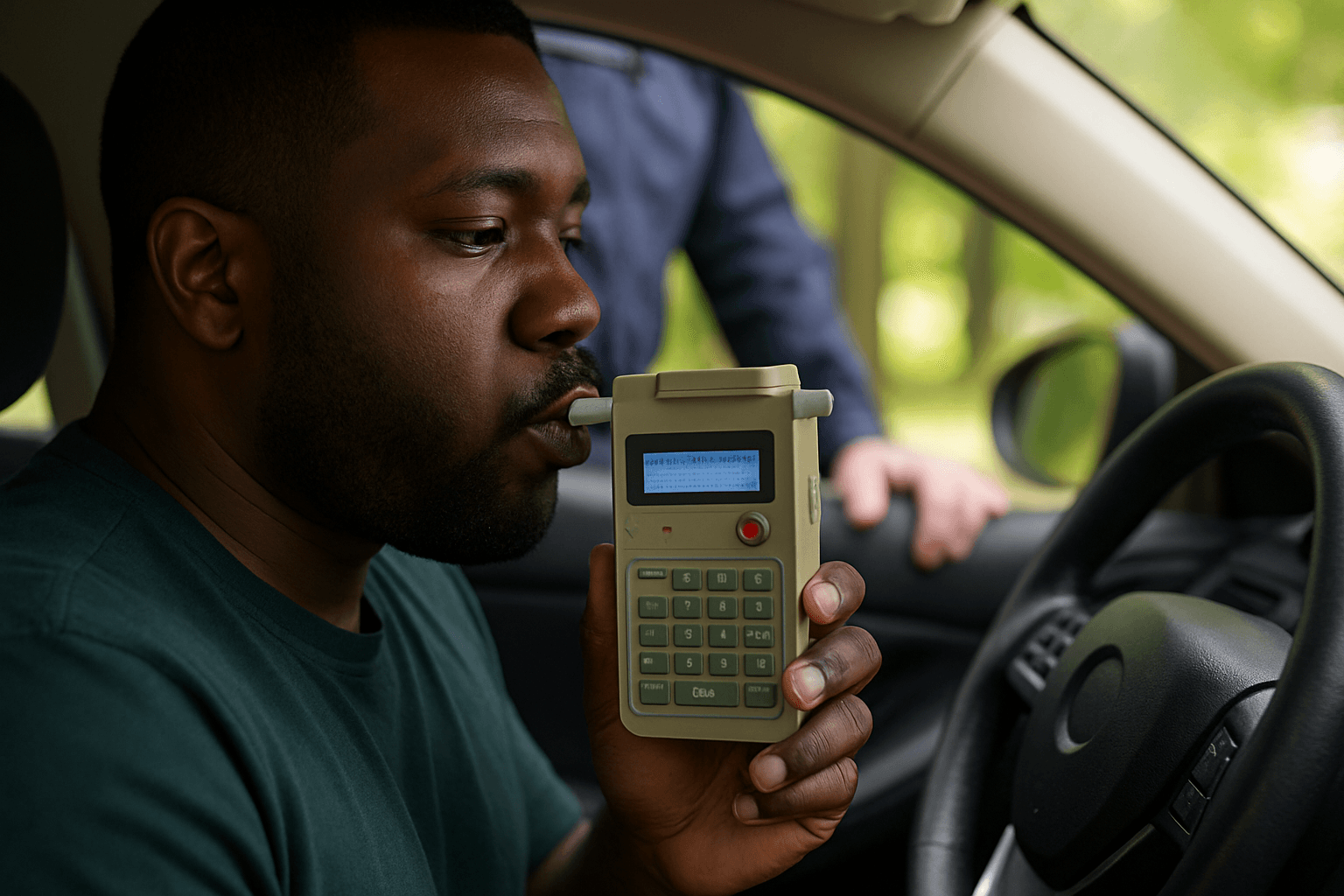
County protocols vary, but the 18-month threshold appears most commonly in Fulton, Gwinnett, Cobb, DeKalb, and Cherokee counties — the five highest-volume DUI jurisdictions in Georgia. Some rural counties grant LDPs earlier; others impose 24-month waiting periods. There is no centralized policy. Each Superior Court sets its own discretionary standard, and these standards are rarely published in writing. Defense attorneys in the county typically know the local protocol; self-represented applicants do not.
Filing before the waiting period expires wastes the $25 application fee and creates a denial record that may influence the next application. Courts do not tell you the waiting period in the denial notice — they cite discretion. If you refile at 12 months and are denied again, the second denial reinforces the court's view that you are not ready. The strategic move is to wait until the local protocol's threshold has passed, then file once with complete documentation.
Related Articles





The Court Hearing and Approval Process
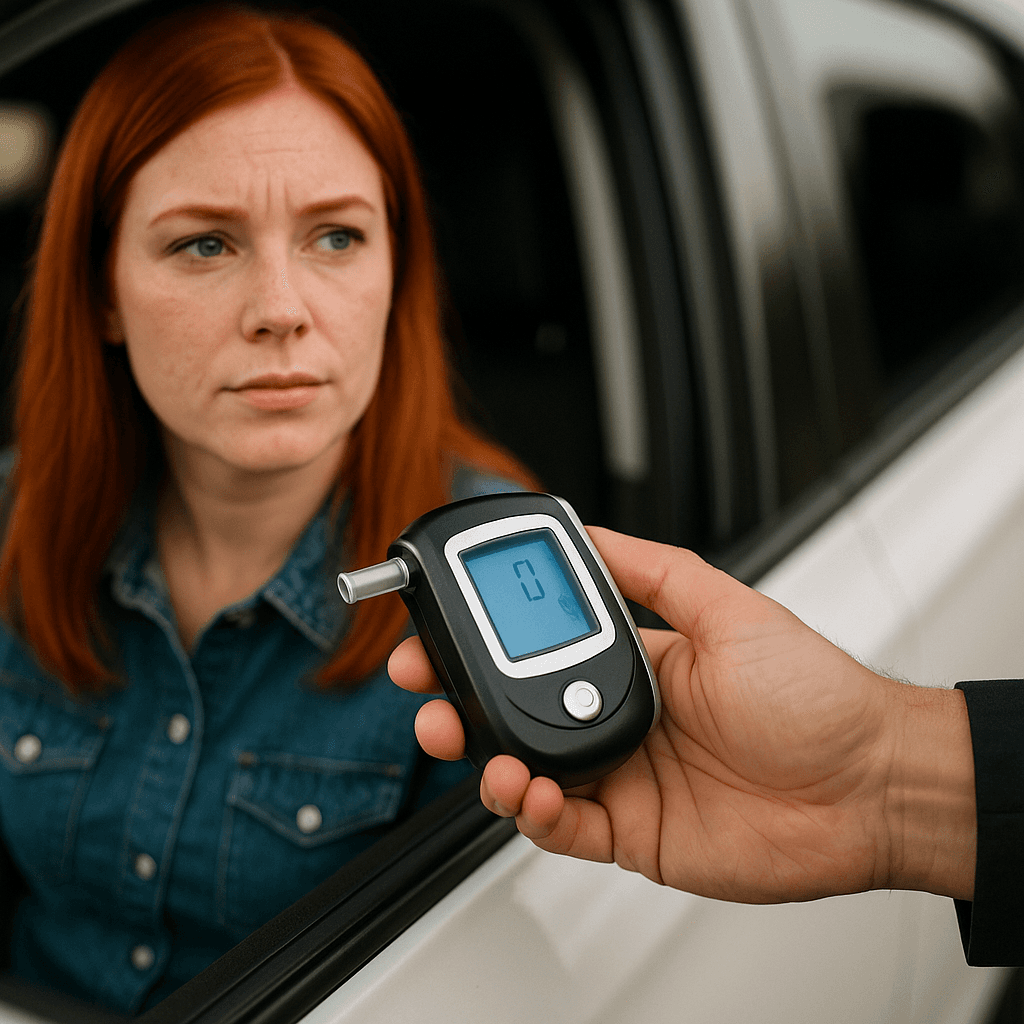
When you file after the waiting period, the court schedules a hearing, typically within 30 to 60 days. You appear before the judge who handled your criminal case, or a judge designated to handle LDP petitions in that county. You present documentation: employer letter on company letterhead stating your job requires driving, proof of SR-22 filing active for the past 18 months, IID installation certificate and monthly monitoring compliance reports, and certificate of completion from the DUI Risk Reduction Program.
The judge evaluates whether granting restricted driving serves public safety. Factors include: compliance with all sentencing conditions, zero IID violations during the waiting period, stable employment or educational enrollment, no additional arrests or citations during suspension, and credible testimony that restricted driving will not enable further alcohol use. One IID violation — even a failed rolling retest you passed on the second attempt — often results in denial.
If approved, the court issues a paper permit specifying approved routes and time windows. Georgia LDPs are purpose-restricted, not time-restricted: you may drive to and from work, to DUI classes or probation meetings, to medical appointments, and to court-ordered obligations. The permit does not authorize personal errands, social driving, or any trip outside the approved purposes. Violating the restriction triggers immediate revocation and extends your full suspension period.
Georgia IID Monitoring Cost
$210/month
Ignition interlock device installation costs approximately $75 to $150, with monthly monitoring and calibration fees averaging $60 to $85 per month. Over an 18-month waiting period before LDP eligibility, total IID cost reaches $1,155 to $1,680 before you can legally drive under a permit.
Industry estimates; costs vary by IID vendor and county
SR-22 Filing During the Waiting Period
Georgia DDS requires SR-22 filing for three years following a second DUI conviction, measured from the reinstatement date, not the conviction date. If you are suspended for three years and do not obtain an LDP, you begin the three-year SR-22 period when you reinstate. If you obtain an LDP 18 months into suspension, the SR-22 period begins when the LDP is issued, and continues for three years from that date.
You must maintain active SR-22 filing during the entire suspension period to remain eligible for an LDP. If your SR-22 lapses for any reason — non-payment of premium, policy cancellation, switching carriers without filing continuity — DDS receives electronic notice within 24 hours and your LDP eligibility resets. Most counties require proof of continuous SR-22 filing from conviction date to application date as part of the LDP petition. A single lapse disqualifies you until you refile SR-22 and wait an additional period the court deems appropriate, often another six months.
What Happens If You Drive Without the Permit
Driving on a suspended license in Georgia is a misdemeanor under O.C.G.A. § 40-5-121, punishable by two days to 12 months in jail and a fine of $500 to $1,000 for a first offense. A second conviction for driving under suspension becomes a high and aggravated misdemeanor with mandatory jail time. If you are stopped while your LDP application is pending — even if you believe approval is imminent — the suspension is still active and enforceable.
The court does not backdate LDP approval to your application date. The permit becomes effective only when the judge signs the order and you receive the paper permit. Until that moment, any driving is a violation. Officers do not have access to pending LDP applications during traffic stops; they see only an active suspension flag in the DDS system. If arrested for driving under suspension while an LDP petition is pending, most judges deny the petition outright, viewing the violation as evidence you cannot be trusted with restricted privileges.
Your Next Step After Conviction
Enroll in a state-approved DUI Risk Reduction Program within 30 days of conviction. Install an ignition interlock device immediately and maintain zero violations for the full waiting period your county requires. File SR-22 insurance and keep it active without lapse. Request an employer letter on company letterhead once you approach the 18-month mark, then file your LDP petition with the Superior Court clerk in the county of conviction. If you do not know your county's waiting period, contact a local DUI defense attorney who practices in that jurisdiction — most offer brief consultations on LDP timing for a flat fee under $200. Filing too early wastes money and creates a denial record. Filing after demonstrating 18 months of compliance gives you the strongest case the statute allows.