
Second DUI Hardship Windows Differ by State Authority
You received your second DUI conviction last week and searched for hardship license information expecting the same 30-day wait period your coworker described after his first offense. The DMV representative told you that second offenses require a 12-month hard suspension before you can petition for any driving privilege. Your employer needs you back on the road in 60 days or you lose the job. The eligibility clock you thought you understood does not apply to your case.
Second-DUI hardship eligibility is governed by separate statutory frameworks from first-offense programs. Georgia allows immediate election of an Ignition Interlock Limited Driving Permit at arrest for second-offense DUI cases, bypassing the traditional LDP petition process entirely. North Carolina imposes a mandatory 12-month revocation period before any Limited Driving Privilege hearing can be scheduled for second or subsequent impaired driving convictions. Ohio courts retain discretion to grant Limited Driving Privileges at sentencing for second OVI cases, but most counties impose a 180-day hard suspension minimum before considering any petition. The state you were convicted in determines which clock you are working against.
Compare car insurance rates in your state
Get quotes from licensed carriers — no obligation, no spam, results in minutes.
Get Your Free QuoteNC Second-DUI Hard Suspension
12 months
North Carolina General Statute 20-179.3 mandates a 12-month revocation period for second impaired driving convictions before any Limited Driving Privilege petition can be filed. First offenses allow LDP hearings after 30 days.
NC General Statute 20-179.3
Georgia IILDP vs Traditional LDP Petition
Georgia created parallel hardship tracks under HB 205. A second-offense DUI arrestee can elect an Ignition Interlock Limited Driving Permit immediately at arrest or within 30 days of the arrest date. This IILDP requires ignition interlock installation on all owned vehicles before the permit is issued and runs concurrently with the underlying criminal case. The traditional LDP petition process remains available but requires waiting until after conviction and sentencing, typically 60 to 90 days post-arrest depending on court scheduling.
The two permits differ structurally. IILDP approved purposes include work, school, medical appointments, required alcohol treatment, and court-ordered obligations. Traditional court-petition LDP has the same approved purposes but does not require interlock installation unless ordered separately by the sentencing judge. Most second-offense cases will have an interlock requirement either way, but IILDP locks it in at the front end while traditional LDP leaves it to judicial discretion. The timing advantage of IILDP comes at the cost of mandatory interlock on every vehicle you own, not just the one you drive.
Second-DUI cases do not qualify for administrative DMV hardship processing in most states — court petition or sentencing-incorporated privilege is the only path, and missing the petition window restarts your waiting period from zero.
State-Specific Second-DUI Eligibility Rules
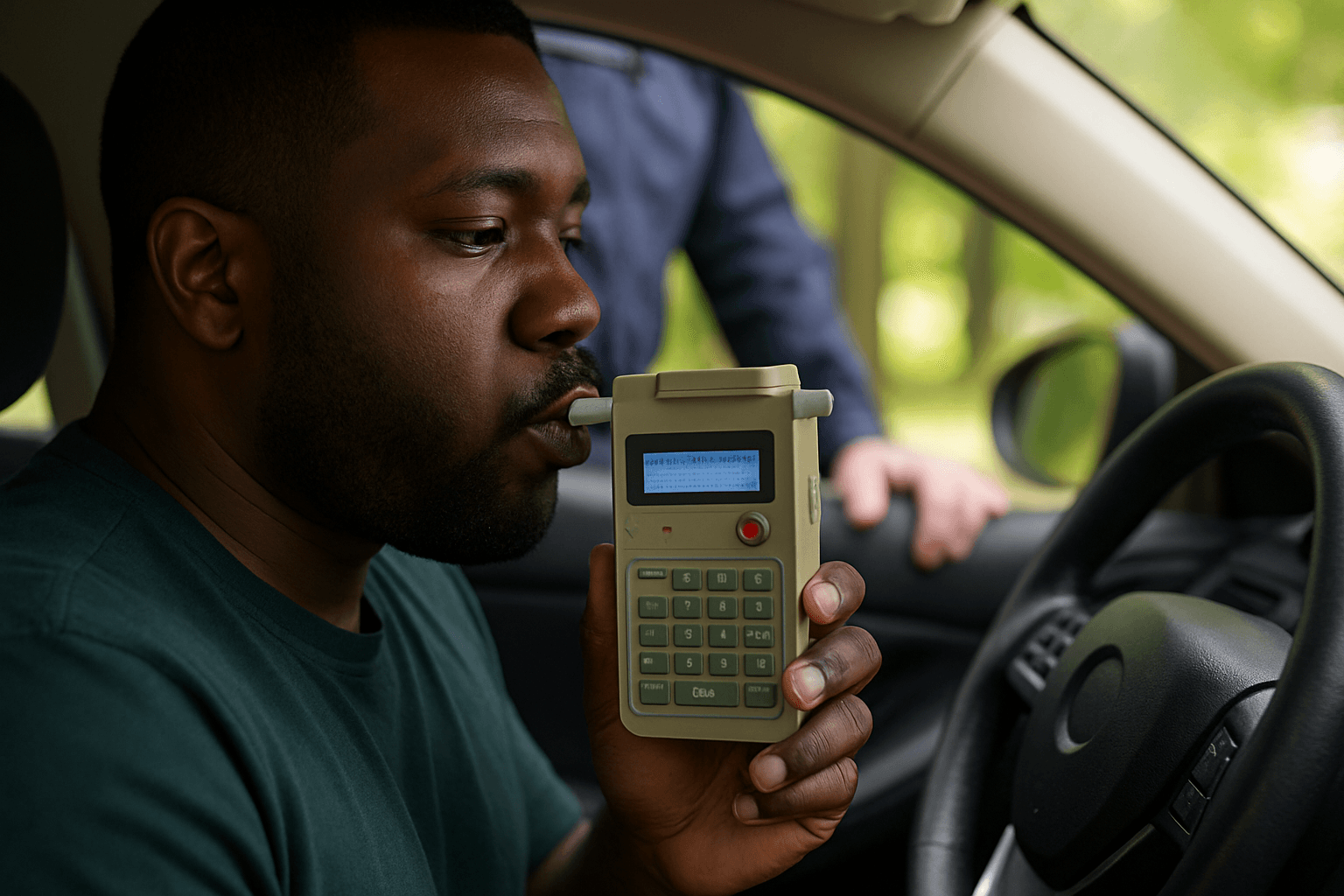
Georgia allows immediate IILDP election for second-offense DUI with interlock requirement and $25 processing fee. Traditional LDP petition requires conviction finality and court hearing, typically 60-90 days post-arrest. Alaska's Limited License for second DUI is court-discretionary at sentencing with minimum 30-day hard suspension; ignition interlock is required for the full license-restriction period, typically 12 months. Minnesota imposes a one-year revocation minimum for second DWI within ten years before Limited License eligibility; interlock is mandatory and monitoring fees run approximately $100/month.
North Carolina's 12-month mandatory revocation for second impaired driving convictions under G.S. 20-179.3 means no LDP hearing can occur until the full year elapses. Ohio courts retain discretion to grant Limited Driving Privileges at sentencing for second OVI, but most jurisdictions impose 180-day hard suspension minimum and restrict approved purposes to employment and court-ordered treatment only. Missouri's Limited Driving Privilege for second DWI requires completion of a Substance Abuse Traffic Offender Program and ignition interlock installation before petition filing; typical processing is 30-45 days post-SATOP graduation. Utah's Limited License for second DUI within ten years requires 90-day hard suspension, interlock for 18 months, and mandatory SR-22 filing for five years from conviction date.
Related Articles




SR-22 Filing Timing and Duration
SR-22 filing must be active before any hardship permit is issued in Georgia, North Carolina, Ohio, Missouri, Minnesota, and Utah. Alaska and DC do not require SR-22 for license reinstatement but do require proof of financial responsibility at higher liability limits than standard minimums. The filing period for second-DUI cases is typically three years from conviction date in Georgia, Ohio, Missouri, and Minnesota; five years in Utah and North Carolina.
Non-owner SR-22 policies cover drivers who do not own a vehicle but need to maintain filing-compliant liability coverage during the hardship period. This is relevant for second-DUI cases where the offender's vehicle was impounded, sold to cover fines, or titled to a spouse who will not allow interlock installation. Non-owner SR-22 premiums typically run $40 to $80/month depending on state and carrier. The filing itself costs $25 to $50, paid to the carrier at policy initiation.
Continuous coverage is mandatory. A single lapse in SR-22 filing triggers automatic hardship permit revocation in every state in this family. The suspension clock restarts from the lapse date, not the original conviction date. Cheap monthly policies from non-standard carriers often lapse due to payment processing failures or underwriting re-reviews; mid-tier carriers with stable month-to-month billing structures cost $10 to $20 more per month but have significantly lower lapse rates.
Second-DUI SR-22 Premium Range
$85–$140/mo
Georgia and North Carolina second-offense DUI drivers with SR-22 filing typically pay $85 to $140/month for minimum liability coverage from non-standard carriers. Mid-tier carriers with stronger financial stability ratings charge $100 to $160/month. Estimates based on available industry data; individual rates vary by age, county, and prior claims history.
Ignition Interlock Cost Stack
Ignition interlock installation costs $75 to $150 depending on device provider and vehicle type. Monthly monitoring fees run $60 to $100, paid directly to the interlock vendor. Calibration appointments every 30 to 60 days cost $20 to $40 per visit and are mandatory to keep the device active. A second-DUI offender in Georgia with 12-month IILDP will pay approximately $900 to $1,400 in interlock costs over the full permit period, on top of the SR-22 premium stack.
The hardship permit application fee itself is $25 in Georgia, $100 in North Carolina at the LDP hearing, $50 in Ohio when filed with the court, $20 in Missouri, $20 in Minnesota, no separate fee in Alaska or Utah beyond court costs. These are one-time charges. The interlock and SR-22 costs are recurring monthly obligations that must remain current for the entire hardship period. A missed interlock payment triggers device lockout; a missed SR-22 premium payment triggers automatic permit revocation.
Compare SR-22 Carriers Before Filing
Second-DUI cases require SR-22 filing in six of the eight Limited Driving Permit states. Carrier premium structures vary by $30 to $60/month for identical coverage limits. Non-owner SR-22 policies are underwritten differently than standard auto policies; not all carriers offer them, and those that do impose different down payment requirements. Some carriers require two months' premium upfront; others allow $0 down with first-month payment only. The financing structure matters when you are stacking permit fees, interlock installation, and SR-22 setup costs in the same 30-day window.
Enter your hardship permit state and violation details into the comparison tool to see which carriers write non-owner SR-22 in your jurisdiction and what their actual monthly costs are. Premium quotes reflect your state's minimum liability limits, your second-offense DUI status, and current filing requirements. Selecting a stable mid-tier carrier costs slightly more per month but reduces the lapse risk that would restart your entire suspension clock from zero.