
Two Permit Tracks After Georgia DUI Arrest
You were arrested for DUI and the arresting officer handed you a DDS Form 1205 notice stating your license is suspended in 30 days. You need to drive to work, to your kids' school, to court-ordered DUI classes. Georgia offers two structurally different Limited Driving Permit pathways after a DUI arrest: the Ignition Interlock Limited Driving Permit (IILDP) under HB 205, effective July 2024, and the traditional court-petition LDP under O.C.G.A. § 40-5-64. Most arrestees don't realize they're making a choice between these two tracks, and the choice has a deadline.
The IILDP track lets you elect immediate ignition interlock driving within 30 days of arrest, bypassing the Administrative License Suspension (ALS) entirely. The traditional LDP track requires you to wait through a 120-day hard suspension before you can petition the court for a permit. The IILDP deadline is strict: if you don't elect within 30 days of arrest, you default to the slower court-petition pathway. The timeline you face depends on which track you choose and whether you miss the enrollment window.
Compare car insurance rates in your state
Get quotes from licensed carriers — no obligation, no spam, results in minutes.
Get Your Free QuoteIILDP Election Window
30 days
Georgia DUI arrestees have 30 days from the date of arrest to elect the Ignition Interlock Limited Driving Permit pathway under HB 205. Miss this window and you default to the traditional court-petition LDP track, which requires a 120-day hard suspension before permit eligibility.
O.C.G.A. § 40-5-64.1, effective July 1, 2024
What the IILDP Election Deadline Actually Means
The 30-day IILDP election window starts the day you are arrested, not the day your license is suspended. Georgia DDS counts calendar days, not business days. If you are arrested on a Friday, day 30 falls on a Sunday three weeks later, and DDS does not extend deadlines for weekends. You must submit your IILDP election form, install the ignition interlock device with an approved vendor, and file SR-22 proof of insurance before day 30 expires.
The IILDP is not automatic. You must affirmatively elect it by completing the DDS IILDP enrollment process, which includes paying the $25 permit application fee, scheduling IID installation with a state-approved vendor, and obtaining SR-22 insurance that covers the ignition interlock requirement. DDS does not send reminders. If you wait until day 25 to start the process, you will miss the window because IID vendors typically require 5–7 business days to schedule installation.
If you miss the 30-day IILDP election deadline, you cannot retroactively elect it. You default to the ALS administrative suspension, which runs for one year from the arrest date for first-offense DUI refusal or failure cases. After 120 days of hard suspension under the ALS, you become eligible to petition the court for a traditional Limited Driving Permit. The court-petition LDP is not guaranteed — the judge has discretion to deny it based on your driving history, the circumstances of the arrest, or whether you have completed court-ordered DUI education classes.
Missing the 30-day IILDP window adds 120 days of no-driving time before you can even petition the court for a traditional LDP — and court approval is discretionary, not automatic.
IILDP Track vs Court-Petition LDP Track
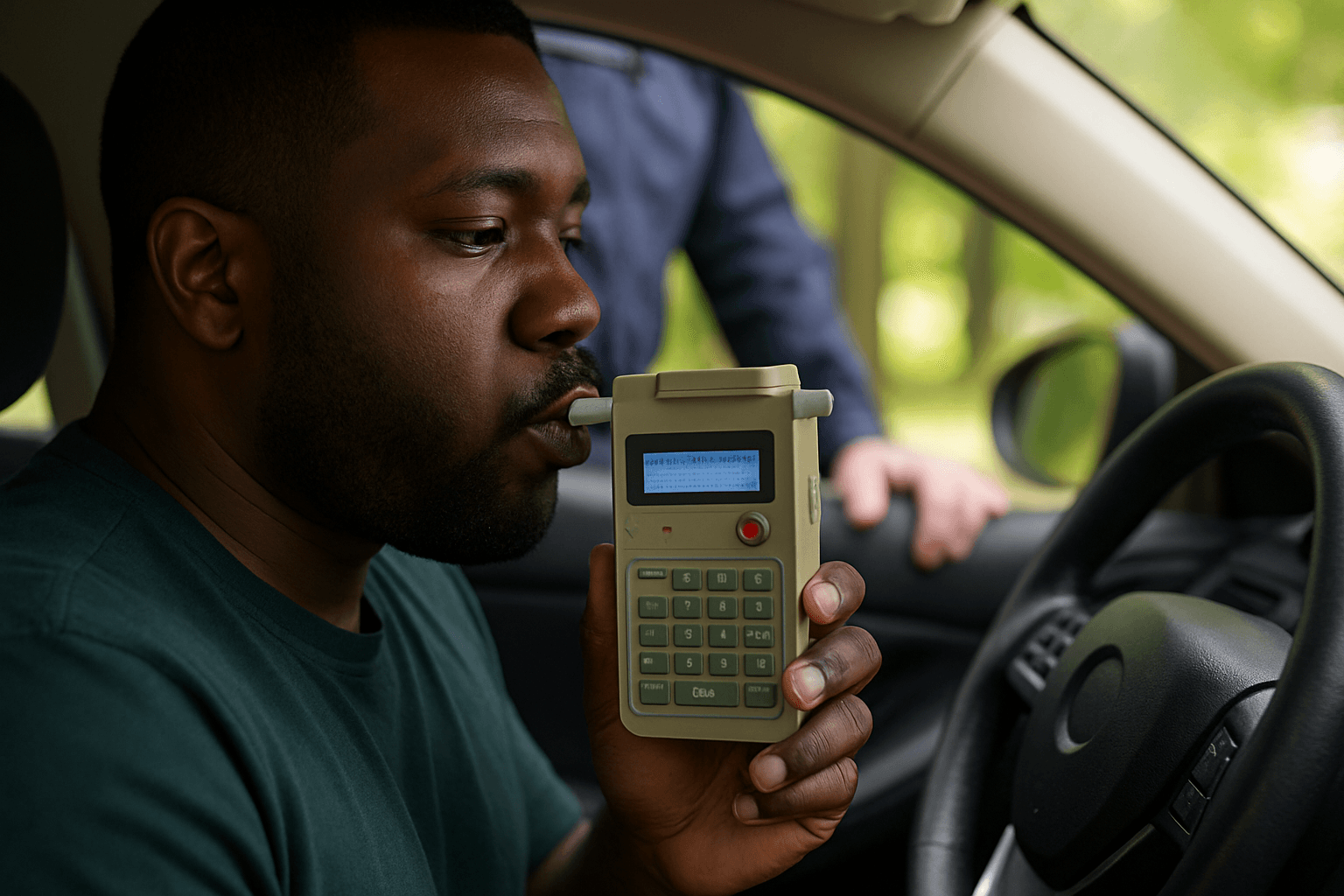
The IILDP track lets you drive immediately after IID installation and SR-22 filing, typically within 7–10 days of arrest if you start the process on day 1. You elect the IILDP within 30 days, install the device, and file SR-22. DDS issues the paper IILDP permit once these steps are verified. You can drive to work, school, medical appointments, court-ordered programs, religious services, and other essential purposes as defined by DDS. The permit runs for the duration of the ALS suspension period (one year for first-offense DUI cases) and requires continuous SR-22 and monthly IID monitoring fees.
The court-petition LDP track requires you to serve 120 days of hard suspension before you can file a petition with the Superior Court in the county where you were arrested. The court schedules a hearing, typically 30–60 days after you file the petition. The judge reviews your petition, your DUI education enrollment or completion, your employment or school documentation, and your SR-22 filing. The judge may approve the LDP, deny it, or approve it with restrictions narrower than the standard Georgia LDP scope. Court-approved LDPs also require ignition interlock installation for DUI cases. Total timeline from arrest to approved court LDP: approximately 150–180 days.
Related Articles





SR-22 Filing and IID Installation Timeline
Both the IILDP track and the court-petition LDP track require SR-22 insurance filing with Georgia DDS for three years from the permit issue date. SR-22 is not a type of insurance — it is a certificate filed by your insurance carrier confirming you maintain continuous liability coverage meeting Georgia's minimum requirements: $25,000 bodily injury per person, $50,000 bodily injury per accident, and $25,000 property damage per accident. Most carriers charge a one-time SR-22 filing fee of $25–$50 and increase your premium by approximately $40–$80 per month for three years.
Ignition interlock installation adds a separate cost stack. Georgia-approved IID vendors charge an installation fee of $75–$150 and a monthly monitoring fee of $70–$100. The device must be calibrated every 30 days, which requires a scheduled appointment at the vendor's service center. If you miss two consecutive calibration appointments, the IID vendor reports the violation to DDS, and DDS revokes your IILDP or court-petition LDP immediately. There is no grace period. Revocation restarts the full suspension clock.
SR-22 carriers differ in their willingness to file for drivers with pending DUI cases. Standard-tier carriers like State Farm and Allstate typically decline DUI cases during the first 12 months post-arrest. Non-standard carriers like Progressive, Geico, Dairyland, The General, and Bristol West specialize in SR-22 filing for DUI cases and offer same-day or next-day filing once you complete the application. Quote turnaround is typically 24–48 hours. You need the SR-22 filed before DDS will issue the IILDP or before the court will approve the traditional LDP.
Three-Year IID Cost
$2,520–$3,600
Georgia ignition interlock installation and monitoring runs $75–$150 upfront plus $70–$100 per month for 36 months, totaling $2,520–$3,600 over the full three-year SR-22 filing period required for DUI-related LDPs. This cost is separate from and in addition to SR-22 premium impact.
Georgia DDS-approved IID vendor rate schedules
What Happens if You Miss the IILDP Window
If you do not elect the IILDP within 30 days of your DUI arrest, Georgia DDS automatically processes the ALS suspension. Your driving privileges are suspended one year from the arrest date for first-offense DUI cases involving refusal or failure of a chemical test. You cannot drive legally during the first 120 days of the ALS suspension. After 120 days, you become eligible to petition the Superior Court for a traditional Limited Driving Permit, but eligibility does not equal approval.
The court-petition LDP hearing is discretionary. The judge reviews your petition, your proof of need (employment letter, school enrollment, medical appointment schedules), your SR-22 filing, your DUI education class enrollment or completion, and the circumstances of your arrest. Judges in urban Georgia counties like Fulton and DeKalb tend to approve first-offense DUI LDP petitions when the driver shows stable employment and timely DUI class enrollment. Judges in rural counties may deny petitions if the driver has prior moving violations, missed court dates, or incomplete DUI education. There is no DDS administrative appeal if the court denies your LDP petition — you serve the full one-year suspension.
Start the IILDP Process on Day One
If you were arrested for DUI in Georgia within the last 30 days and need to drive for work, school, medical care, or court-ordered programs, the IILDP track is the fastest legal pathway back to driving. Start the process the day after your arrest. Contact a Georgia-approved IID vendor to schedule installation within 5–7 business days. Contact an SR-22-specialist carrier to obtain same-day or next-day SR-22 filing. Submit your IILDP election form to Georgia DDS with the $25 application fee before day 30 expires. DDS processes IILDP applications within 3–5 business days once SR-22 and IID installation are verified.
If you are past day 30, you are on the court-petition LDP track. You must wait until day 120 of your ALS suspension to file your LDP petition with the Superior Court. Use the 120-day waiting period to enroll in and complete Georgia's DUI Alcohol or Drug Use Risk Reduction Program, obtain SR-22 filing, and schedule IID installation so you are ready when the court approves your petition. The court hearing typically occurs 30–60 days after you file, so total time from arrest to approved LDP is approximately 150–180 days on the traditional track.