
Two Suspension Tracks, Two Application Paths
You were arrested for DUI in Georgia yesterday. The officer handed you a 1205 form—an immediate Administrative License Suspension notice from the Georgia Department of Driver Services. You have 30 calendar days from the arrest date to request an ALS hearing or elect the Ignition Interlock Limited Driving Permit pathway under O.C.G.A. § 40-5-64.1. That 30-day window is absolute. Miss it and the administrative suspension begins automatically on day 46 after arrest, with no LDP available through the DDS administrative track.
But that ALS process is only one track. Your criminal DUI case in Superior Court will produce a separate court-ordered suspension when you are convicted or plead. That court suspension carries its own separate Limited Driving Permit application process, heard by the same judge who sentenced you. Most Georgia drivers do not realize these are two distinct suspension systems running concurrently, each with different LDP eligibility rules, different application procedures, and different ignition interlock installation timelines. The ALS track lets you elect an IID permit immediately to avoid any hard suspension. The court track typically imposes a 120-day hard suspension before LDP eligibility begins—unless you already elected the IILDP through DDS, in which case the court may credit time served under the administrative permit.
Compare car insurance rates in your state
Get quotes from licensed carriers — no obligation, no spam, results in minutes.
Get Your Free QuoteGeorgia ALS Election Window
30 days
From the arrest date, you have exactly 30 calendar days to request an Administrative License Suspension hearing or elect the Ignition Interlock Limited Driving Permit through DDS. The window does not extend for weekends or holidays. Day 31 is too late.
O.C.G.A. § 40-5-67.1, Georgia DDS ALS procedures
The IILDP Election Stops the ALS Hard Suspension
The Ignition Interlock Limited Driving Permit election under Georgia's 2019 DUI reform law allows first-offense DUI arrestees to continue driving immediately by installing an ignition interlock device and maintaining SR-22 insurance, bypassing the traditional 12-month hard ALS suspension. You file Form DDS-1228 with Georgia DDS within the 30-day window, pay the $25 permit fee plus a $200 reinstatement fee, install a state-certified IID with an approved vendor, and obtain SR-22 proof of insurance from a Georgia-licensed carrier writing high-risk auto.
Once the IID is installed and DDS receives electronic confirmation from the vendor, you receive a paper Limited Driving Permit allowing unrestricted driving as long as you only operate IID-equipped vehicles. The permit is not a replacement driver's license card—it is a paper document you must carry alongside your suspended license. You must maintain the IID for the full 12-month ALS period. Violations—failed starts, tampering, missed calibration appointments—trigger automatic revocation of the IILDP and reinstate the hard suspension with no second election available.
The IILDP resolves the administrative DDS suspension only. It does not resolve the pending criminal DUI case in Superior Court. That case will proceed separately. When you are convicted or plead, the court will impose its own suspension period and may issue a separate court-ordered Limited Driving Permit with different terms, different approved purposes, and potentially a different IID requirement period. The two permits do not replace each other—they address two separate legal obligations.
Most Georgia DUI arrestees miss the 30-day IILDP election window because they wait for their attorney to handle it—but attorneys focus on the criminal case, not the parallel ALS administrative track.
Court-Ordered LDP Application After Conviction
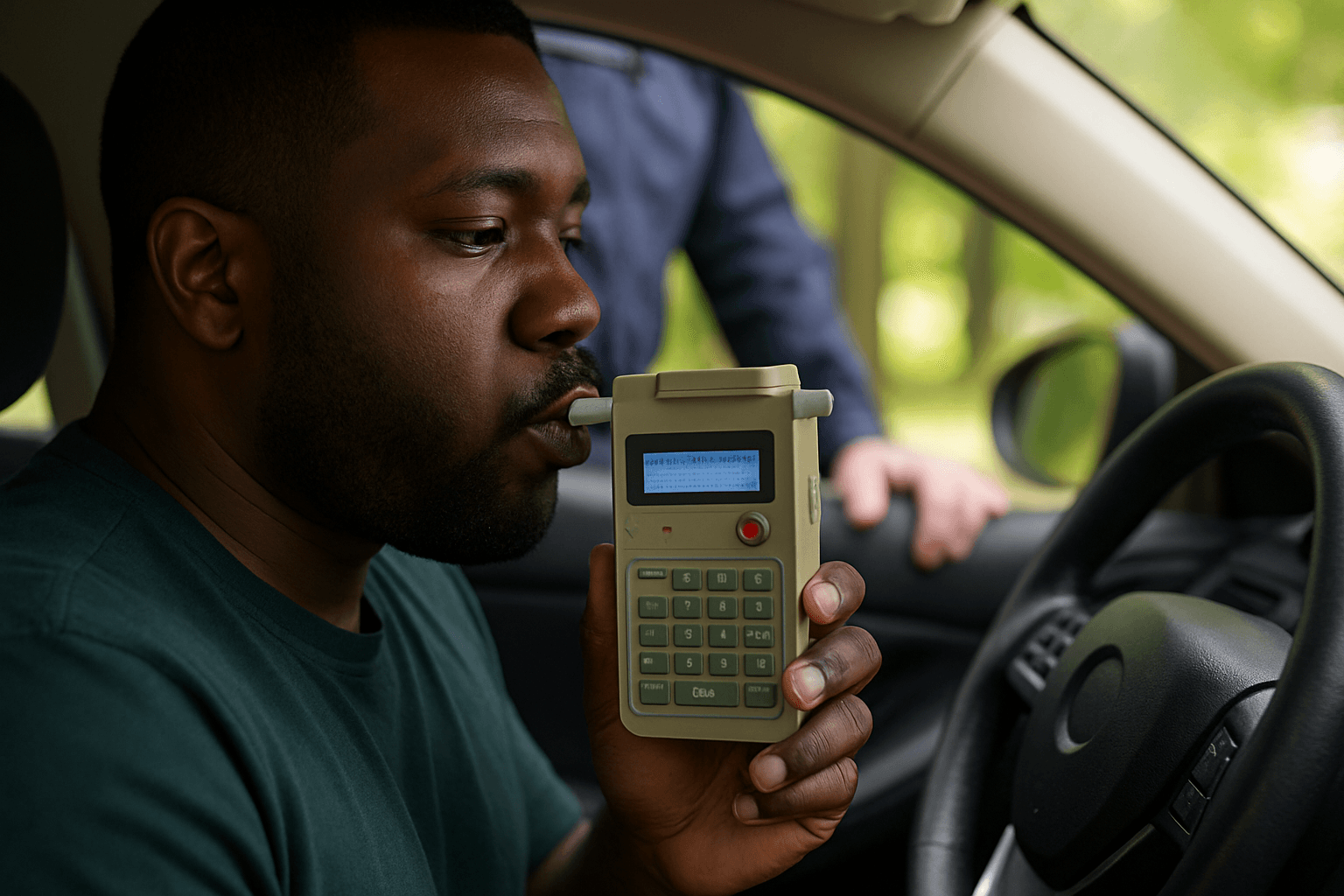
For a first-offense DUI conviction in Georgia, the standard court-imposed suspension is 12 months, with a 120-day hard suspension period before Limited Driving Permit eligibility begins. If you already elected the IILDP through DDS and have been driving under that permit for several months by the time of conviction, the court typically credits that time served against the 120-day hard period and may issue a court LDP immediately. If you did not elect the IILDP, you must serve the full 120-day hard suspension before applying for a court LDP.
The court LDP application is filed directly with the Superior Court clerk in the county where you were convicted, not with DDS. You petition the sentencing judge for a Limited Driving Permit, providing proof of enrollment in the state-approved DUI Alcohol or Drug Use Risk Reduction Program, proof of SR-22 insurance, proof of IID installation if required by the court, and documentation of your need—employment letter, school enrollment verification, medical appointment schedules, or other essential-purpose evidence. The judge holds a hearing, reviews your petition, and decides whether to grant the LDP and what restrictions to impose. Approved purposes typically include work, school, medical appointments, court-ordered DUI classes, and necessary household errands, but the judge has broad discretion to narrow or expand those purposes.
Related Articles






SR-22 Filing Required for Both Tracks
Georgia requires SR-22 proof of insurance filing for both the administrative IILDP track and the court-ordered LDP track. SR-22 is not a separate insurance policy—it is a certificate filed electronically by your auto insurance carrier with Georgia DDS certifying that you carry at least the state minimum liability coverage: $25,000 per person bodily injury, $50,000 per accident bodily injury, and $25,000 property damage. Most standard carriers will not write SR-22 for DUI-suspended drivers. You need a Georgia-licensed carrier writing high-risk auto in the non-standard tier.
Carriers writing SR-22 in Georgia for DUI-suspended drivers include GAINSCO, Dairyland, Progressive, The General, Direct Auto, Bristol West, Geico, National General, and Infinity. Monthly premiums for liability-only SR-22 coverage after a Georgia DUI conviction typically range from $140 to $260 per month depending on age, county, and prior insurance history. The SR-22 filing itself carries a one-time fee of $25 to $50 depending on carrier. Georgia DDS requires SR-22 maintained for 3 years from the date of reinstatement, not from the date of conviction. If your SR-22 lapses at any point during that 3-year period—because you miss a premium payment or cancel the policy—DDS receives automatic electronic notice within 24 hours and re-suspends your license immediately.
When you apply for either the IILDP or the court LDP, you must provide proof that SR-22 has already been filed. DDS and the court will not approve a permit application without confirmed SR-22 on file. Obtain the SR-22 before filing your LDP application, not after. The SR-22 filing date starts the 3-year maintenance clock regardless of when your license is actually reinstated.
Georgia LDP Application Fee
$25
Georgia charges $25 for the Limited Driving Permit application, one of the lowest LDP fees in the country. The $200 reinstatement fee is separate and applies when transitioning from ALS suspension to full reinstatement or when electing the IILDP.
Georgia DDS fee schedule, O.C.G.A. § 40-5-64.1
Ignition Interlock Installation and Monthly Monitoring Costs
Georgia requires state-certified ignition interlock vendors. Approved vendors include Intoxalock, LifeSafer, Smart Start, and Guardian Interlock. Installation cost ranges from $70 to $150 depending on vendor and vehicle type. Monthly lease and monitoring fees range from $60 to $90 per month. Required calibration appointments occur every 30 to 60 days depending on your violation history and vendor contract terms, with calibration fees of $10 to $20 per visit included in most monthly monitoring packages.
For the IILDP administrative track, you must maintain the IID for the full 12-month ALS period. For the court-ordered LDP after conviction, the judge specifies the IID duration—typically 12 months for first-offense DUI, longer for repeat offenders or aggravated cases. If you elected the IILDP and served several months under it before conviction, the court may credit that time and shorten the court-ordered IID period, or may require the full duration to start fresh from the conviction date. Clarify the IID timeline with your attorney before the sentencing hearing.
What Happens If You Skip the IILDP Election
If you do not request an ALS hearing and do not elect the IILDP within 30 days of arrest, your Georgia driver's license is automatically hard-suspended on day 46 after the arrest date. That hard suspension lasts 12 months for first-offense DUI arrestees who refused the chemical test, or 12 months for those who failed the test with a BAC of 0.08 or higher. During that 12-month ALS hard suspension, you cannot drive at all—no LDP is available through the DDS administrative track.
You still face the separate criminal DUI case in Superior Court. When convicted, the court imposes its own 12-month suspension with a 120-day hard period before court LDP eligibility. Because the ALS administrative suspension and the court criminal suspension run concurrently, not consecutively, missing the IILDP election does not double your total suspension time—but it does eliminate your ability to drive during the period between arrest and conviction, which can last 6 to 18 months depending on court docket backlog in your county. Most Georgia DUI defense attorneys recommend electing the IILDP immediately to preserve driving privileges during the criminal case, even if you plan to contest the charge at trial.