The Court Controls Your Limited License Timeline
You were arrested for DUI in Utah yesterday and your license suspension starts in 30 days. You need to drive to work, and you've heard about Utah's Limited License program. The critical detail most drivers miss: the court issues the Limited License order and sets the terms — the Driver License Division administers the underlying suspension but plays a limited role in the Limited License process itself. You petition the court, not the DLD, and the court determines whether you qualify, what restrictions apply, and when the Limited License becomes effective.
Utah operates a dual-track suspension system. The DLD administers the administrative per se suspension triggered by your arrest (if your BAC was 0.05% or higher, Utah's nation-lowest threshold). The criminal court separately imposes a judicial suspension upon conviction. A first-offense DUI typically triggers a 120-day administrative suspension and a separate 120-day criminal suspension that may run concurrently. The Limited License petition addresses both tracks, but the court holds the approval authority.
Compare car insurance rates in your state
Get quotes from licensed carriers — no obligation, no spam, results in minutes.
Get Your Free QuoteUtah DUI BAC Threshold
0.05%
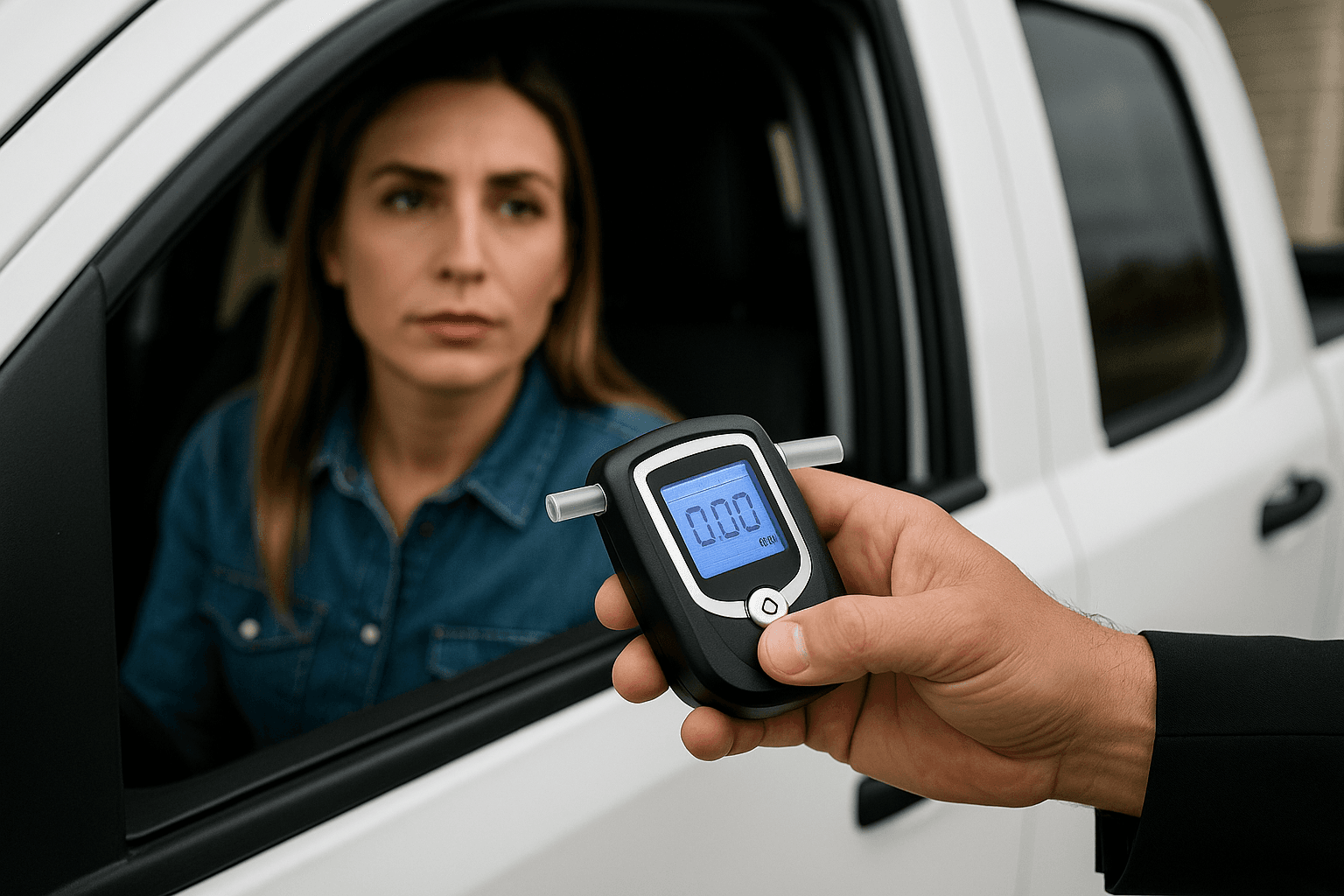
Utah Code § 41-6a-502 sets the DUI threshold at 0.05% BAC, the lowest in the nation as of December 30, 2018. This lower threshold increases the frequency of DUI arrests and corresponding Limited License petitions compared to the 0.08% standard used in most other states.
Utah Code § 41-6a-502
Ignition Interlock Must Be Installed Before You Petition
The court will not approve a Limited License petition for a DUI case unless you have already installed an ignition interlock device. This is the single most common procedural blocker. Most first-offense drivers assume they petition first, get approval, then install the IID. Utah's process runs in reverse: you install the IID, obtain proof of installation from the vendor, then submit that proof with your petition. The court uses IID compliance as a threshold eligibility signal.
IID installation costs approximately $75–$150 upfront, plus $60–$90 per month for monitoring and calibration. You must use a state-approved vendor listed on the Utah DLD website. The vendor provides a certificate of installation. That certificate is required documentation for your Limited License petition. Without it, the court will deny your petition on procedural grounds before evaluating the merits of your need.
SR-22 financial responsibility certification is also required before the court will approve your petition. You obtain SR-22 from an auto insurance carrier licensed in Utah. The carrier files the SR-22 certificate with the DLD electronically. You need proof that the SR-22 is active and on file before you submit your Limited License petition. The court reviews both IID installation proof and SR-22 proof as part of the petition package.
Court will not approve your Limited License petition until you install the ignition interlock device and file SR-22 — the approval process starts after installation, not before.
What the Court Evaluates in Your Petition

Your petition must demonstrate essential travel need that cannot be met through alternative transportation. Employment is the most commonly approved purpose. You submit an employer letter on company letterhead stating your work location, hours, and why public transit or rideshare is not viable. Medical appointments, court-ordered DUI education classes, and school attendance are also typically approved purposes. Personal errands, childcare, and social activities are not.
The court sets specific route and time restrictions based on the purposes you document. If you work Monday through Friday from 8 a.m. to 5 p.m., the court may restrict your Limited License to direct routes between home and work during those hours only, plus one hour before and after your shift for commute flexibility. Deviating from court-defined routes or times violates the Limited License terms and triggers immediate revocation.
Related Articles




The 30-Day Hard Suspension Window
Utah typically imposes a 30-day hard suspension period before Limited License eligibility begins. This means the first 30 days after your suspension becomes effective, you cannot drive at all — even with a Limited License. The court will not approve a Limited License petition that allows driving during this hard suspension window. The 30-day figure applies to first-offense DUI administrative suspensions; criminal court suspensions and repeat-offense cases face longer hard periods.
You can submit your Limited License petition during the hard suspension period, but the court order will set an effective date after the hard period ends. For example: your suspension begins January 1. You petition on January 10. The court approves your petition on January 20 but sets the Limited License effective date as February 1 (after the 30-day hard suspension concludes). This sequencing is critical for planning work coverage during the hard period.
Failure modes most drivers miss: installing the IID too late in the hard suspension period. If you wait until day 28 to install the IID and petition, the court may not process your petition before day 30 ends. Petition at least 10–14 days before the hard suspension period ends to allow time for court processing and order issuance. Courts do not expedite Limited License petitions except in rare cases involving medical emergencies.
Utah DLD Reinstatement Fee
$30
The base reinstatement fee to restore your full unrestricted license after completing the suspension period is $30, per Utah DLD fee schedule. This fee is separate from court costs, IID fees, SR-22 filing fees, and DUI education program costs. Total reinstatement cost stack for a first-offense DUI typically exceeds $2,500 when all components are included.
Utah Driver License Division fee schedule
SR-22 Filing Runs Three Years From Conviction
Utah requires continuous SR-22 filing for three years following a DUI conviction. The three-year clock starts on your conviction date, not your arrest date or your Limited License approval date. If you are convicted on March 1, your SR-22 obligation runs through March 1 three years later. You must maintain SR-22 on file with the DLD for the entire period, even after your suspension ends and your full license is reinstated.
If your SR-22 lapses at any point during the three-year period, the carrier notifies the DLD electronically within 24 hours. The DLD suspends your license immediately. If you are driving on a Limited License when the lapse occurs, the Limited License is automatically revoked and your suspension period restarts. There is no grace period. Lapse triggers immediate action. You must reinstate SR-22, pay a new reinstatement fee, and re-petition the court for a new Limited License if you are still within the original suspension window.
Compare Carriers Before You File SR-22
SR-22 itself is not insurance — it is a certificate your carrier files with the state certifying that you carry at least Utah's minimum liability coverage: $25,000 bodily injury per person, $65,000 bodily injury per accident, and $15,000 property damage. Utah also requires personal injury protection coverage as a no-fault state. You need a policy that meets these minimums before any carrier will file SR-22 for you.
Premium impact varies significantly by carrier. First-offense DUI drivers in Utah typically pay $110–$180 per month for minimum-coverage SR-22 policies with non-standard carriers. Standard carriers like State Farm and Geico write SR-22 in Utah but often charge higher premiums post-DUI. Non-standard carriers like Bristol West, Dairyland, The General, and Progressive's non-standard division specialize in high-risk cases and may offer lower premiums. Compare at least three carriers before committing. The cheapest carrier at quote may not remain cheapest after six months if their renewal pricing structure is aggressive. Use the site's carrier comparison tool to see which carriers write SR-22 in your Utah county and what coverage structures they offer for Limited License cases.