
You Were Suspended and Need a Court-Controlled Pathway
Your Utah driver's license was suspended yesterday after a DUI conviction, accumulation of points, or uninsured driving violation. You have a job that requires commuting, medical appointments you cannot miss, or court-ordered DUI education classes you must attend. Utah does not offer a DMV-administered hardship license — the Limited License program is entirely court-controlled, which means you petition the court that handled your underlying case, not the Driver License Division.
Most suspended drivers in Utah waste weeks petitioning the DLD first, only to be told the court owns the Limited License decision. This article walks the actual court-based pathway: what the court requires, what documentation proves need, how ignition interlock fits in, what SR-22 filing costs, and what happens if your petition is denied.
Compare car insurance rates in your state
Get quotes from licensed carriers — no obligation, no spam, results in minutes.
Get Your Free QuoteUtah SR-22 Filing Duration
3 years
Utah requires SR-22 financial responsibility certification for 3 years following DUI conviction or insurance-related suspension. The filing period starts from conviction date, not the date you obtain the Limited License, so even with restricted driving privileges you maintain continuous SR-22 coverage for the full statutory period.
Utah Code § 41-12a-303.7
The Limited License Is Court-Issued, Not DMV-Issued
Utah's Limited License program operates through the court system, not through the Driver License Division. When your license is suspended following DUI conviction, points accumulation, or uninsured driving violation, the DLD administers the suspension itself but plays no role in granting restricted driving privileges. You petition the court that imposed the underlying suspension or handled your conviction.
This is the structural reality most competing guides miss: there is no DLD form to complete, no DLD hearing to request, and no DLD administrator who can approve your Limited License application. The court issues the order defining your restricted driving terms — approved purposes, permitted hours, required ignition interlock device, and SR-22 filing — and the DLD reflects those terms on your driving record once the court transmits the order.
Because the Limited License is entirely court-controlled, outcomes vary significantly by county and judge. Salt Lake County judges may require employer letters and proof of hardship before granting relief; rural county judges may grant relief based on sworn petition alone. There is no uniform statewide processing timeline, no fixed application fee charged by all courts, and no published eligibility checklist that applies equally across all 29 Utah counties.
The DLD cannot grant you a Limited License — only the court that suspended you can issue the order. Petitioning the wrong entity wastes weeks.
What the Court Requires in Your Petition
Your petition must include proof of essential need: an employer letter on company letterhead stating your work address, shift hours, and necessity of driving (not just preference); documentation of medical appointments if medical access is a claimed need; proof of enrollment in court-ordered DUI education or treatment programs if applicable; and documentation of childcare or education obligations if those are approved purposes under your court's practices. The court is not required to grant relief — restricted driving is a privilege, not a right, and the judge weighs your demonstrated need against public safety risk.
You must also file proof of SR-22 financial responsibility coverage before the court will issue the Limited License order. SR-22 is not insurance itself — it is a certificate filed by your auto insurance carrier with the Utah DLD confirming you carry at least Utah's minimum liability limits: $25,000 per person for bodily injury, $65,000 per accident for bodily injury, and $15,000 for property damage. Carriers charge a one-time SR-22 filing fee, typically $15 to $50, and your premium will increase significantly because you now fall into the high-risk driver category. If you do not own a vehicle, you need non-owner SR-22 coverage, which provides liability protection when you drive borrowed or rental vehicles.
Related Articles

Ignition Interlock Is Typically Required for DUI Cases
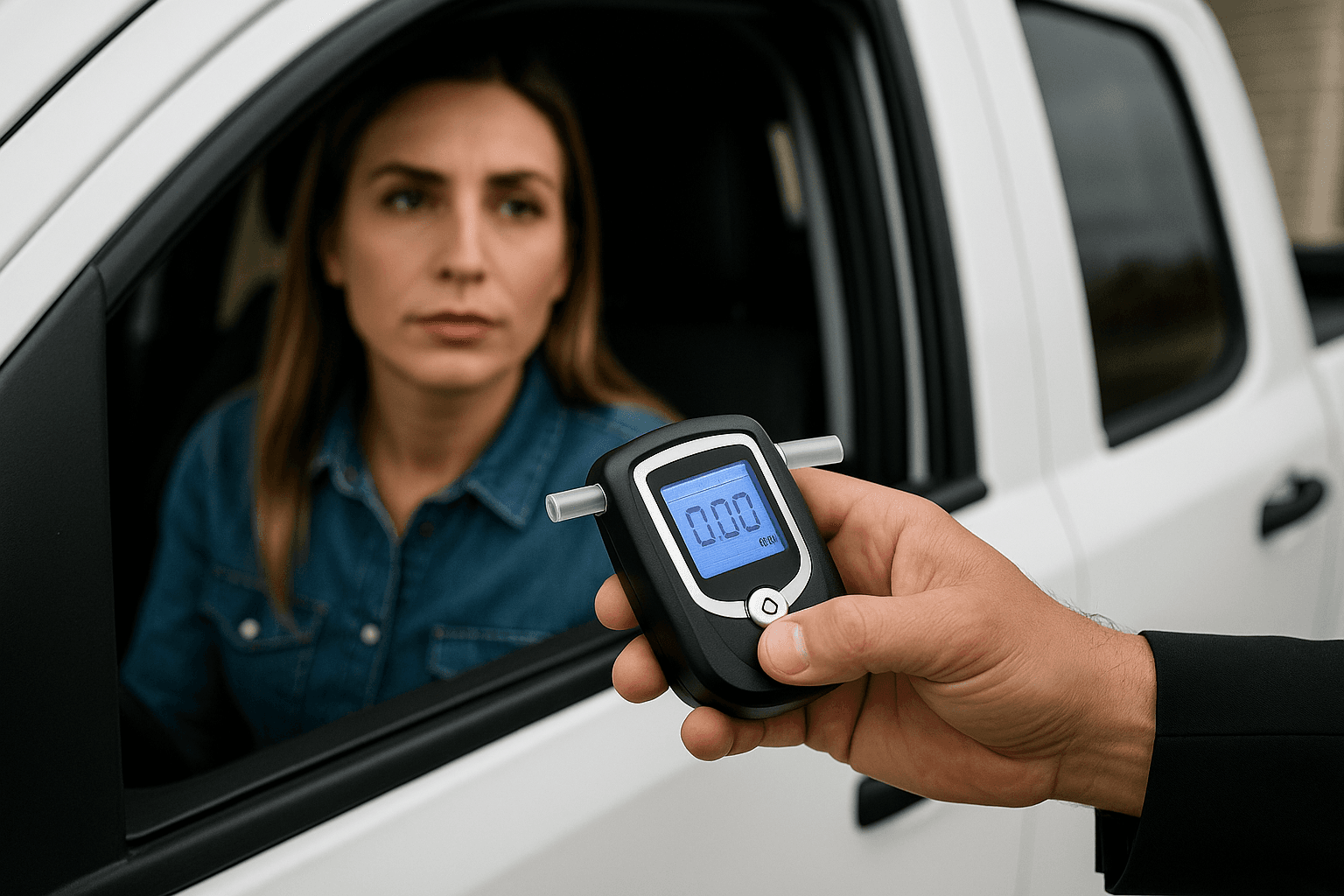
If your suspension stems from DUI conviction, Utah courts typically require ignition interlock device installation as a condition of granting Limited License relief. The IID prevents the vehicle from starting unless you provide a breath sample below the legal BAC threshold — Utah uses a 0.05% BAC limit, the lowest in the nation. You pay for IID installation (typically $70 to $150) and monthly monitoring fees (typically $60 to $90 per month) for the duration of your Limited License period.
The court order will specify whether IID is required, which vehicles must have the device installed, and how long you must maintain it. If you drive a vehicle not equipped with the court-ordered IID, you violate the terms of your Limited License and face revocation of restricted privileges plus criminal penalties for driving on a suspended license. The DLD's ignition interlock program tracks compliance and reports violations to the court.
Your total cost stack for obtaining and maintaining a Utah Limited License after DUI includes: court petition filing fee (varies by county, typically $30 to $100); SR-22 filing fee ($15 to $50 one-time); premium increase for SR-22 coverage (typically adds $50 to $150 per month to your auto insurance premium); IID installation ($70 to $150); and IID monthly monitoring ($60 to $90 per month). Over a one-year Limited License period, expect total costs between $1,500 and $2,800 beyond your base insurance premium.
Utah Court Petition Fee Range
$30–$100
Court filing fees for Limited License petitions vary by county. Most Utah district courts charge between $30 and $100 to file the petition, with Salt Lake County and Utah County at the higher end of the range. This fee is separate from the $30 DLD reinstatement fee you will pay later when your full license is restored.
Utah court fee schedules by county
Approved Purposes and Route Restrictions
The court defines what purposes qualify as essential under your Limited License. Utah courts typically approve driving for employment (commuting to and from work, and during work hours if your job requires driving); court-ordered DUI education classes or substance abuse treatment programs; medical appointments for yourself or immediate family members you are responsible for transporting; and religious services. Some courts also approve driving for educational purposes if you are enrolled in school.
Your Limited License order will specify the approved hours and routes. The court may restrict you to driving only during your documented work shift hours, only on the direct route between home and work, and only for the specific approved purposes listed in the order. Driving outside those parameters — even for an emergency — technically violates the order and can result in revocation. If your work schedule changes or you need to add an approved purpose, you must petition the court to modify the order before driving under the new circumstances.
What Happens If Your Petition Is Denied
The court is not required to grant Limited License relief. Judges deny petitions when the driver has prior DUI convictions, when the underlying violation involved aggravating factors such as injury to another person or extremely high BAC, when the driver has unpaid fines or restitution from the underlying case, or when the demonstrated need does not outweigh public safety concerns. If your petition is denied, you can petition again after addressing the court's stated concerns — paying outstanding fines, completing additional treatment, or providing stronger documentation of need.
Drivers designated as Habitual Traffic Offenders under Utah Code § 53-3-220 face a five-year license revocation and have very limited options for Limited License relief. Courts are generally unwilling to grant restricted driving privileges during the HTO revocation period, which means you may face the full five years without legal driving ability. Your best pathway in that situation is completing the revocation period, satisfying all reinstatement requirements, and petitioning for early reinstatement after demonstrating rehabilitation.
Get SR-22 Coverage Filed Before You Petition
The court will not issue a Limited License order without proof of SR-22 filing on record with the Utah DLD. Contact a carrier that writes SR-22 policies in Utah — Geico, Progressive, State Farm, The General, Dairyland, Bristol West, GAINSCO, and National General all file SR-22 in this state and specialize in high-risk driver coverage. Request an SR-22 policy (or non-owner SR-22 if you do not own a vehicle), pay the filing fee, and confirm the carrier has transmitted the SR-22 certificate to the DLD before you file your court petition. Without that proof on file, your petition will be delayed or denied, and you will have wasted the court filing fee and preparation time.