
You Petitioned for LDP and the Court Denied It
You submitted a petition for Limited Driving Privileges in Ohio. The court denied it without a hearing, or dismissed it for procedural reasons you didn't understand. The denial letter didn't explain what went wrong, and now you're facing months of suspension with no clear path to getting work privileges approved.
Ohio's LDP system splits jurisdiction between sentencing courts and common pleas courts depending on what triggered your suspension. Most denials happen because drivers petition the wrong court, file before the hard suspension period ends, or submit documentation that doesn't match what the granting court requires. The petition process isn't standardized across counties, and what works in Franklin County may get rejected in Cuyahoga.
Compare car insurance rates in your state
Get quotes from licensed carriers — no obligation, no spam, results in minutes.
Get Your Free QuoteHard Suspension Before First-OVI LDP
15 days
Ohio Revised Code 4511.191 requires a 15-day hard suspension for first-offense OVI before any Limited Driving Privileges petition can be filed. Test refusal extends this to 30 days. Repeat offenses carry 180-day or longer hard periods.
Ohio Revised Code 4511.191
Limited Driving Privileges Are Court-Granted, Not BMV-Issued
Ohio does not issue hardship licenses through the Bureau of Motor Vehicles. The BMV records your suspension, but it has no authority to grant driving privileges during that suspension. All Limited Driving Privileges come from courts: either the sentencing court that handled your OVI conviction, or the court of common pleas in your county of residence for administrative suspensions.
This structural split is where most petition failures start. If you were convicted of OVI, your sentencing court has exclusive jurisdiction over LDP during the court-ordered suspension. If your suspension was administrative (triggered by the arresting officer under Administrative License Suspension rules, not a conviction), you petition the common pleas court. Filing in the wrong court produces an automatic dismissal, and you lose the time it took to process the incorrect petition.
The BMV's role is limited to recording the court's LDP order once granted and noting the ignition interlock requirement on your driving record. Drivers who contact the BMV asking how to apply for LDP are told to contact a court, but the BMV does not specify which court has jurisdiction for their suspension type.
Filing your LDP petition in the wrong court triggers automatic dismissal. OVI convictions go to sentencing court; administrative suspensions go to common pleas.
Petition Jurisdiction Rules by Suspension Type
OVI convictions produce court-ordered suspensions handled by the sentencing court. If you were convicted of Operating a Vehicle Impaired in municipal, county, or common pleas court, that sentencing court retains jurisdiction over any LDP petition you file. The court may grant LDP as part of the sentencing order, or you may petition separately after serving the hard suspension period. Second-offense OVI convictions carry a 180-day hard suspension before LDP eligibility; third-offense convictions extend this further. Four or more OVI offenses within 10 years trigger a 3-year hard suspension, and some aggravated OVI convictions bar LDP entirely.
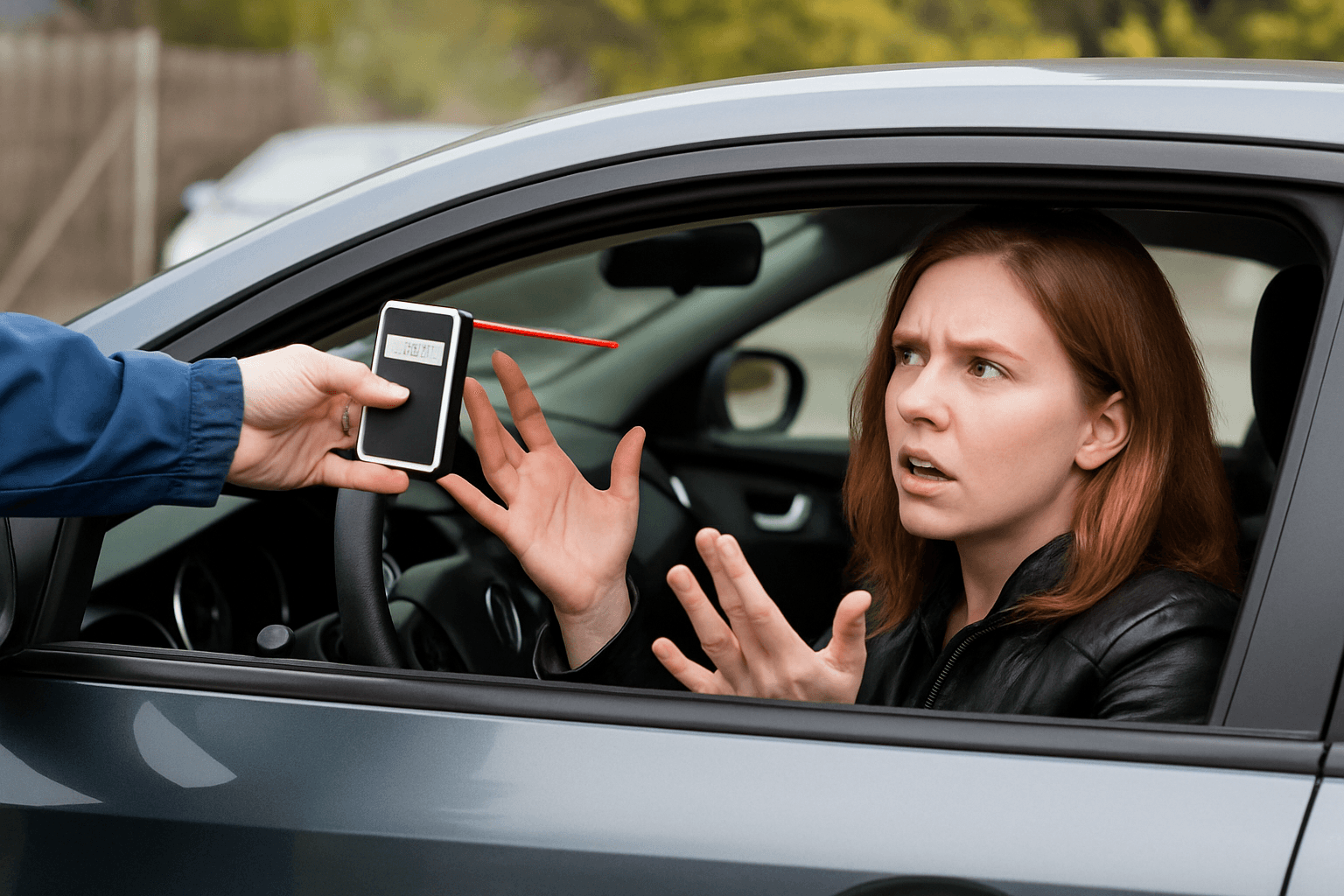
Administrative License Suspensions (ALS) are imposed by the arresting officer at the time of OVI arrest, independent of any court conviction. ALS applies when you fail a breath test (BAC 0.08% or higher) or refuse testing. The ALS runs concurrently with any court-ordered suspension if you are later convicted, but the ALS petition process is separate. You petition the court of common pleas in your county of residence for ALS-related LDP, not the court handling the criminal case. This jurisdiction split means some drivers face two separate LDP petitions: one for the ALS suspension and one for the conviction-based suspension.
Related Articles




Required Documentation and Court Discretion
Ohio courts require proof of SR-22 insurance before granting LDP for OVI or insurance-related suspensions. The SR-22 filing must be active at the time of the hearing and remain continuous for three years. A lapse in SR-22 coverage triggers automatic LDP revocation and restarts your full suspension period from the lapse date.
Courts also require proof of necessity: employment verification letters on company letterhead, school enrollment documentation for students, or medical appointment schedules for drivers with ongoing treatment needs. The court has broad discretion to define which purposes qualify. Work and court-ordered treatment (such as DUI education or substance abuse counseling) are universally approved. School, medical appointments, and religious services are commonly approved but vary by county. Childcare, grocery shopping, and other personal errands are typically excluded unless the court specifically adds them to your order.
Ignition interlock installation is required for all OVI-related LDP under Ohio Revised Code 4510.022. The device must be installed by an Ohio Department of Public Safety-approved vendor before the court grants privileges. Installation costs range from $70 to $150, with monthly monitoring fees of $60 to $80. Courts will not grant LDP until you provide proof of interlock installation and enrollment in the monitoring program. Budget for the interlock cost before filing your petition.
Ohio OVI Reinstatement Fee
$475
The Ohio BMV charges $475 to reinstate your license after an OVI suspension ends. This fee is separate from court costs, LDP petition fees, SR-22 filing fees, and interlock costs. The reinstatement fee is due before your full driving privileges are restored, even if you held LDP during the suspension.
Ohio Revised Code 4507.1612
Approved Purposes and Route Restrictions
Ohio courts define permitted purposes in the LDP order. The order specifies where you can drive, when you can drive, and for what purposes. Violating these restrictions results in immediate LDP revocation, extension of your suspension, and potential criminal charges for driving under suspension.
Work-related driving is approved when supported by an employer verification letter stating your work address, shift hours, and confirmation that driving is necessary for employment. The court may limit you to direct routes between home and work, or may permit driving within a specific radius of your workplace if your job requires travel. School-related driving covers direct routes to and from classes, but does not include campus socializing or extracurricular events unless the court adds them explicitly. Court-ordered treatment includes DUI education classes, substance abuse counseling, and probation check-ins. Medical appointments must be documented with appointment cards or provider letters, and the court typically restricts driving to the appointment time plus reasonable travel time.
File After the Hard Suspension Ends, Not Before
Courts will not grant LDP during the hard suspension period. For first-offense OVI with a failed breath test, the hard suspension is 15 days. For test refusal on a first offense, it extends to 30 days. Second-offense OVI carries a 180-day hard suspension before LDP eligibility. Filing your petition before the hard period expires results in automatic denial, and you must wait to refile.
Most Ohio counties schedule LDP hearings 2 to 4 weeks after petition filing. You should file your petition during the final week of your hard suspension period so the hearing falls shortly after you become eligible. Filing too early wastes time and court resources; filing too late extends the period you spend without any driving privileges. Coordinate SR-22 setup and ignition interlock installation before filing so you have proof ready for the hearing. Carriers offering SR-22 insurance in Ohio can issue same-day filings electronically to the BMV, and most interlock vendors schedule installation within 3 to 5 business days of your call.