
The Court Controls Your LDP Petition — Not the BMV
You were convicted of a second OVI in Ohio. The court imposed a one-year suspension. You need to drive to work, and you've heard about Limited Driving Privileges — but you're not sure if the BMV grants them, if the court grants them, or if your second offense disqualifies you entirely. The confusion is structural: Ohio's LDP program for second-offense OVI cases is administered exclusively by courts, not the BMV. The BMV records the suspension and the court-granted privileges once issued, but it does not grant, deny, or process LDP petitions. If you apply to the BMV, your petition will be rejected without consideration.
The second-offense OVI suspension in Ohio carries a mandatory 180-day hard suspension period before you are eligible to petition for Limited Driving Privileges. This is codified at Ohio Revised Code 4510.022. During those 180 days, no driving is permitted — not for work, not for emergencies, not for any reason. The petition window opens only after the hard period expires. Most drivers petition too early, either because they misread the statute or because they assume eligibility begins at sentencing. The court will deny an early petition without prejudice, and you lose the filing fee and the time you invested in documentation. The correct petition date is 181 days after the suspension effective date, not the conviction date.
Compare car insurance rates in your state
Get quotes from licensed carriers — no obligation, no spam, results in minutes.
Get Your Free QuoteSecond-OVI Hard Suspension Period
180 days
Ohio Revised Code 4510.022 mandates a 180-day hard suspension before Limited Driving Privileges eligibility for second OVI offenses within 10 years. No driving is permitted during this period, and petitions filed before day 181 are denied.
Ohio Revised Code 4510.022
Which Court Has Jurisdiction Over Your LDP Petition
The sentencing court — the court that convicted you of the second OVI — has jurisdiction over your LDP petition in most cases. If you were convicted in Franklin County Municipal Court, you petition Franklin County Municipal Court. If you were convicted in Cuyahoga County Common Pleas, you petition Cuyahoga County Common Pleas. The petition does not go to the court in the county where you now live unless that is also the county where you were sentenced.
Ohio law creates a secondary jurisdiction path for administrative suspensions. If your second OVI triggered an Administrative License Suspension (ALS) in addition to the court-imposed suspension, you may need to petition the court of common pleas in your county of residence for LDP on the ALS suspension separately. This distinction matters because Ohio imposes two separate OVI-related suspensions: the ALS triggered at arrest by the officer, and the court-imposed suspension following conviction. Both suspensions run concurrently, but they are legally distinct. Most second-offense OVI cases involve both. If your sentencing court granted LDP only on the conviction-based suspension, the ALS suspension remains active and enforceable, and you are still suspended. Verify with the BMV which suspensions appear on your record before you petition.
Court jurisdiction determines not just where you file, but also the scope of privileges the court may grant. Some courts in Ohio interpret ORC 4510.021 narrowly and limit LDP to employment and court-ordered treatment only. Other courts apply a broader reading and permit medical appointments, childcare transport, and education-related driving. The statute does not enumerate approved purposes exhaustively, so the granting court has discretion. If your petition is denied for insufficient necessity, you cannot simply refile in a different county — jurisdiction is fixed by where the conviction occurred.
You cannot petition for Limited Driving Privileges until the 180-day hard suspension expires, and petitioning to the wrong court — or during the hard period — wastes your filing fee and delays your access.
Required Documentation for Your Ohio LDP Petition
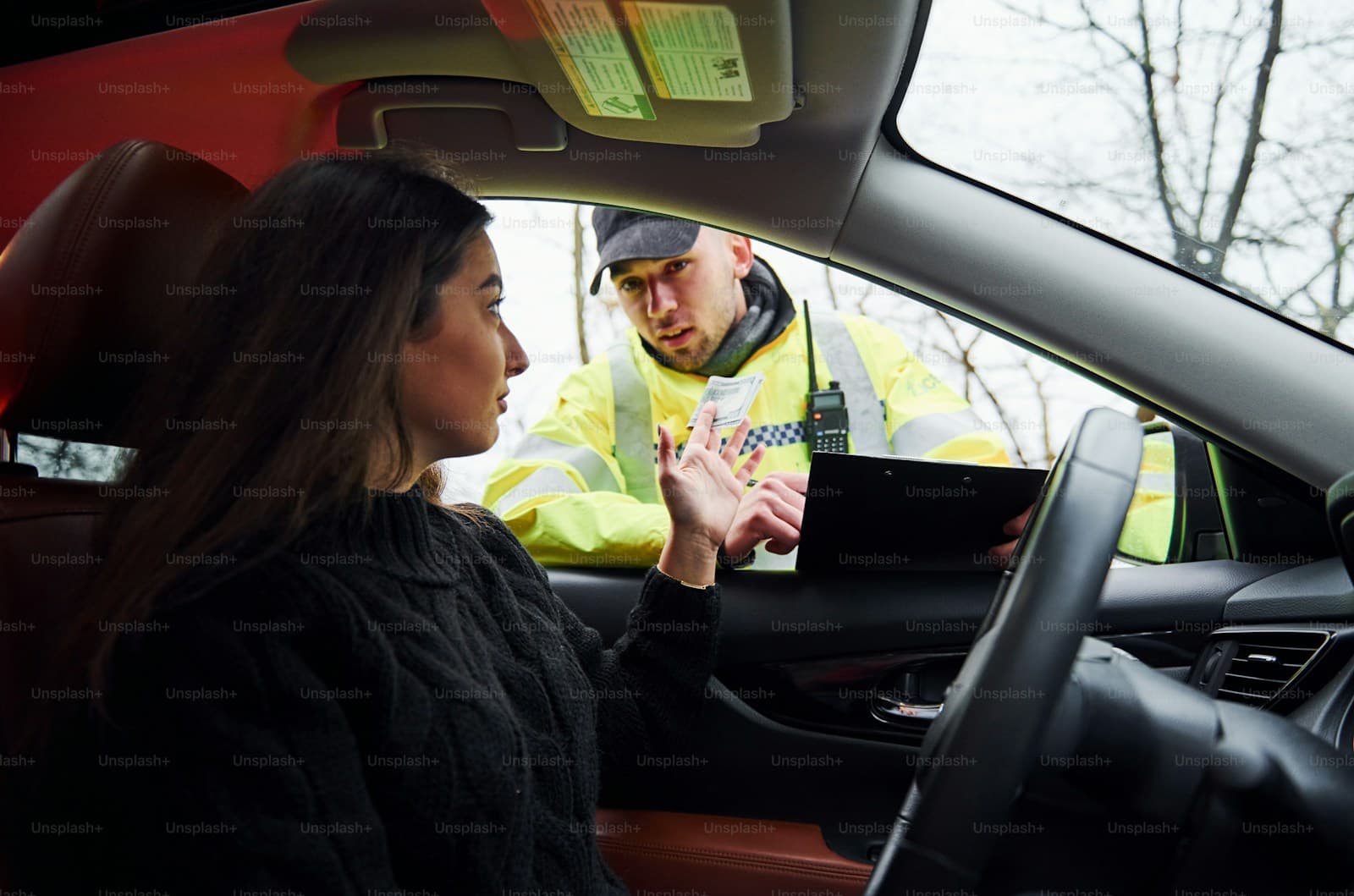
You must file a written petition with the sentencing court (or the court of common pleas in your county of residence for ALS-based petitions) requesting Limited Driving Privileges. The petition must describe the specific purposes for which you need to drive — employment, court-ordered treatment, medical appointments, or other necessity — and include supporting documentation. For employment, this means a letter from your employer on company letterhead stating your job title, work address, work hours, and a statement that transportation to work is required and unavailable via public transit or carpooling. Generic letters or letters that do not specify hours are typically insufficient. For court-ordered treatment, attach the treatment provider's schedule and address. For medical appointments, attach appointment confirmation letters from the provider.
You must also file proof of SR-22 insurance before the court will grant LDP. Ohio requires SR-22 filing for OVI offenders, and the filing must remain active for three years from the conviction date. The SR-22 certificate must be issued by an Ohio-licensed carrier and filed electronically with the BMV before your LDP hearing. Most courts will not schedule a hearing until the BMV confirms SR-22 filing. Courts also require payment of a filing fee at the time of petition; this fee varies by court and is separate from the BMV reinstatement fee. Cuyahoga County Common Pleas charges approximately $75 for LDP petitions as of current practice, but other counties vary. Verify the fee with the clerk before you file.
Related Articles


Ignition Interlock Is Mandatory for Second-OVI LDP
Ohio Revised Code 4510.022 requires ignition interlock installation as a condition of Limited Driving Privileges for second OVI offenses. The court cannot waive this requirement. If you petition for LDP, the granting order will mandate that you install an ignition interlock device on every vehicle you operate during the LDP period. The interlock must be installed by an Ohio Department of Public Safety-approved vendor before you begin driving under the LDP. Driving without the interlock installed — even with a signed court order granting LDP — is a criminal violation and will result in immediate LDP revocation and additional charges.
The interlock vendor will charge an installation fee (typically $75–$125) and a monthly monitoring fee (typically $60–$90 per month). You are responsible for these costs; the court does not subsidize them. The interlock device requires you to provide a breath sample before the vehicle will start, and it requires rolling retests at random intervals while driving. If you fail a retest or miss a scheduled calibration appointment, the device logs the violation and reports it to the court and the BMV. Violations can trigger LDP revocation. The interlock must remain installed for the entire duration of your LDP — typically the remainder of your suspension period — and in some cases the court may extend the interlock requirement beyond the suspension period as a condition of full license reinstatement.
If you do not own a vehicle, you cannot be granted LDP in most Ohio courts. The interlock requirement presumes you have access to a vehicle on which the device can be installed. Some courts will accept installation on a family member's vehicle if that person consents in writing and acknowledges that no one else may operate the vehicle during your LDP period, but this is discretionary. If you rely on a non-owner SR-22 policy because you do not own a vehicle, you are typically ineligible for LDP until you obtain access to a vehicle with interlock installed.
Ohio OVI Reinstatement Fee
$475
The BMV charges a $475 reinstatement fee for second OVI offenses, separate from court filing fees and SR-22 costs. This fee is due before full license reinstatement and cannot be waived. Drivers must also complete a Driver Intervention Program as a reinstatement condition.
Ohio BMV reinstatement fee schedule, Ohio Revised Code 4507.1612
What Happens If You Drive Outside Your LDP Scope
The court order granting LDP will specify the purposes, routes, and hours for which you are permitted to drive. In Ohio, these restrictions are legally enforceable. If you are stopped by law enforcement and you are driving outside the permitted scope — for example, driving to a social event when your LDP limits you to employment and treatment — you can be charged with driving under suspension. The charge carries the same penalties as driving on a fully suspended license: potential jail time, additional suspension period, and fines. The court will also revoke your LDP immediately, and you lose eligibility to petition again during the remainder of your suspension period.
LDP violations are recorded by the BMV and reported to your SR-22 carrier. Most carriers will non-renew or cancel your policy following a violation, and you will need to find a new carrier willing to file SR-22 after a violation — a significantly smaller market with higher premiums. Even if the criminal charge is reduced or dismissed, the BMV record of the stop remains, and the LDP revocation is not automatically reversed. You would need to petition the court again to have privileges reinstated, and most courts deny reinstatement petitions following a violation.
Compare Ohio SR-22 Carriers Before You Petition
You cannot petition for Limited Driving Privileges without SR-22 insurance already filed with the BMV. Ohio courts will not grant LDP until the BMV confirms active SR-22 filing. This means you need to secure SR-22 coverage before you file your petition, not after the court grants LDP. Most drivers wait until after the court hearing to shop for SR-22, and then discover that the SR-22 filing takes 3–5 business days to process electronically with the BMV. The court's LDP order becomes effective immediately upon signing, but you cannot legally drive until the BMV records the SR-22 filing. The gap between court order and BMV confirmation creates a window where you have LDP on paper but are still suspended in the BMV system.
SR-22 premiums for second-offense OVI in Ohio typically range from $140–$220 per month for minimum liability coverage, depending on your age, county, and driving history outside the OVI convictions. Carriers writing SR-22 in Ohio include Progressive, GEICO, Dairyland, The General, Bristol West, and State Farm. Not all carriers write second-offense OVI cases; some non-standard carriers limit SR-22 to first-offense DUI only. The fastest way to confirm which carriers will write your case is to compare quotes from multiple carriers simultaneously. Limited Driving Permit connects Ohio drivers with carriers writing SR-22 for second-offense OVI. Enter your county and suspension details to compare rates from carriers confirmed to write second-OVI cases in Ohio.