The 30-Day Window and the IID Blocker
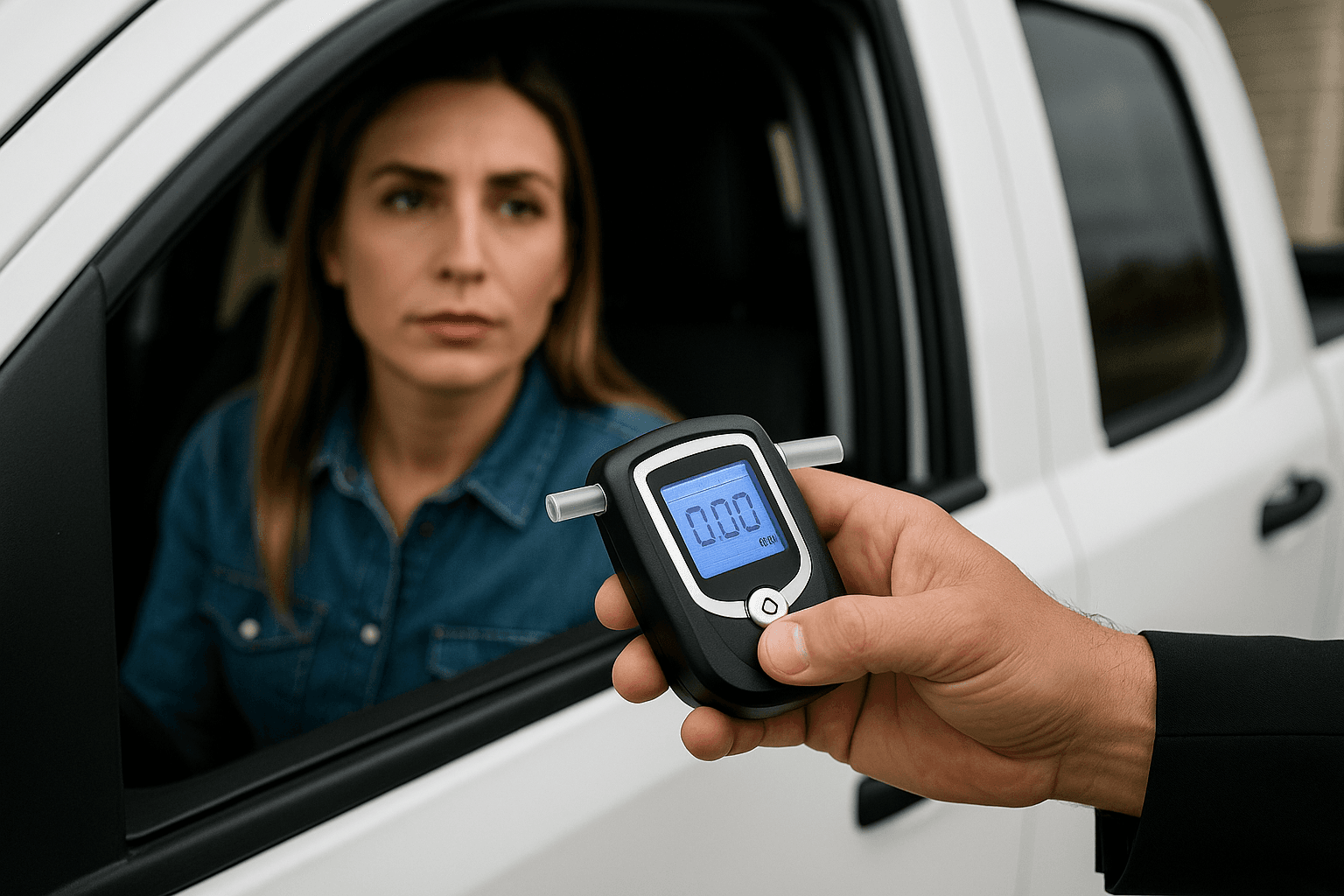
You were convicted of first-offense DUI in Missouri 28 days ago. You have a court date in three days to petition for a Limited Driving Privilege. Your employer needs you back on the road next week. You assume the court will approve your LDP petition at the hearing because you meet the 30-day hard suspension minimum and you have proof of SR-22 insurance. The petition gets denied because your ignition interlock device has not been installed and registered with the Missouri Department of Revenue Driver License Bureau.
Missouri courts grant LDP petitions to first-offense DUI drivers after a 30-day hard suspension under RSMo 302.309, but the statute requires ignition interlock installation verification before the court can issue the privilege. The IID must be installed by a DOR-approved vendor, calibrated, and registered with the state before your petition hearing. Most drivers petition on day 30 without realizing the IID is a prerequisite, not a post-approval step. The court cannot grant the LDP until DOR records show an active, compliant interlock device on your vehicle.
Compare car insurance rates in your state
Get quotes from licensed carriers — no obligation, no spam, results in minutes.
Get Your Free QuoteFirst-Offense DUI Hard Suspension
30 days
Missouri law requires a mandatory 30-day hard suspension before Limited Driving Privilege eligibility for first-offense DUI under RSMo 302.309. The clock starts from conviction date, not arrest date. Petitioning before day 30 results in automatic denial.
RSMo 302.309
Court Jurisdiction and County Residency Rules
The Limited Driving Privilege petition must be filed in the circuit court of the county where you reside, not where the offense occurred. If you were convicted in St. Louis County but live in Jefferson County, your LDP petition goes to Jefferson County Circuit Court. Courts will not accept petitions from non-residents of the county.
This residency rule creates a coordination problem for drivers who moved between arrest and conviction. If you changed counties during your case, you petition in the county where you currently reside, but you must bring documentation proving current residency: lease agreement, utility bill, voter registration, or other official address verification dated within the past 30 days.
The petition requires proof of SR-22 insurance filed with the Missouri Department of Revenue, proof of employment or other qualifying need (school enrollment, medical appointments, court-ordered treatment), and ignition interlock device installation verification from a DOR-approved vendor. The SR-22 certificate must show your current address matching the county where you are petitioning. Address mismatches between SR-22 filings and court petitions trigger administrative delays that can push your hearing date back two to four weeks.
The court cannot grant your LDP until DOR records show an active, registered ignition interlock device on your vehicle. Installation alone is not enough—the vendor must report the device to the state before your hearing.
Required Documentation for LDP Petition

Proof of SR-22 insurance filed with the Missouri Department of Revenue. The SR-22 certificate must be active on the date of your hearing and must list your vehicle if you own one, or non-owner SR-22 if you do not. The certificate shows the DOR that you meet financial responsibility requirements under RSMo 303.025. Carriers file SR-22 electronically, but you need a stamped certificate copy for the court. If you switched carriers between filing and hearing, bring proof of continuous coverage—a lapse of even one day resets your eligibility clock.
Ignition interlock device installation verification from a DOR-approved vendor. The vendor must submit installation records to the Missouri Department of Revenue Driver License Bureau before your hearing. Bring the vendor's installation receipt showing device serial number, installation date, and next calibration appointment. Courts call the DOR directly during hearings to verify active IID status in the state system. If the vendor installed your device but has not yet reported it to DOR, the court will continue your hearing until DOR confirmation appears in the system—typically three to five business days after installation.
Related Articles


Approved Purposes and Route Restrictions
Missouri courts define approved purposes for Limited Driving Privilege narrowly: employment, school, medical appointments, alcohol or drug treatment programs, and other court-approved needs. The judge sets specific hours and routes at the time of granting. Employment-related LDP typically covers direct commute to and from work, on-the-job driving if your employer requires it, and travel to required meetings or trainings. The court order will specify allowable hours—most employment LDPs restrict driving to a window bracketing your work schedule, plus one hour before and after shift times.
Driving outside approved purposes or hours violates the LDP and triggers automatic revocation plus additional criminal charges under RSMo 302.321. If you are stopped outside your approved route or time window, the officer will confiscate your LDP on the spot and issue a citation for driving while revoked. The revocation is immediate—you cannot drive home from the traffic stop. Missouri does not offer warning periods or grace windows for LDP violations.
Childcare, grocery shopping, and general errands do not qualify as approved purposes unless the court explicitly adds them to your order. If you need to add a purpose after your LDP is granted, you must file an amended petition with the circuit court and attend another hearing. Most judges deny post-approval amendments unless the new purpose is employment-related or medically necessary.
Missouri SR-22 Filing Period Post-DUI
2 years
Missouri requires SR-22 proof of financial responsibility for two years following DUI conviction under RSMo 303.025. The filing period starts when you obtain SR-22, not when your LDP is granted or your full license is reinstated. A lapse in SR-22 coverage during the two-year period triggers automatic license suspension and revokes any active LDP.
RSMo 303.025
SR-22 Filing and Premium Impact
SR-22 is not insurance—it is a certificate your insurer files with the Missouri Department of Revenue certifying you carry at least the state minimum liability coverage: $25,000 bodily injury per person, $50,000 bodily injury per accident, and $25,000 property damage. Carriers charge a one-time SR-22 filing fee, typically $15 to $50, plus elevated premiums for the two-year filing period. Missouri DUI drivers with SR-22 filings see premiums increase approximately $90 to $160 per month over clean-record rates, depending on age, county, and carrier.
Non-owner SR-22 covers drivers who do not own a vehicle but need to meet the filing requirement to petition for LDP. Non-owner policies provide liability coverage when you drive someone else's vehicle but do not cover a specific vehicle you own. Monthly premiums for non-owner SR-22 in Missouri typically run $40 to $75 per month. If you later buy a vehicle, you must switch from non-owner to standard SR-22 and notify the DOR within 30 days—failure to update triggers a lapse notification and automatic suspension.
Carriers writing SR-22 in Missouri for DUI drivers include Geico, Progressive, Dairyland, Bristol West, The General, National General, and GAINSCO. State Farm writes SR-22 in Missouri but does not specialize in post-DUI cases. Standard-tier carriers like Allstate and Farmers may decline to write new policies for drivers with active DUI convictions, forcing you into non-standard carriers with higher premiums but more flexible underwriting.
Next Steps: File SR-22, Install IID, Then Petition
The correct sequence is SR-22 filing first, ignition interlock installation second, LDP petition third. Contact a Missouri-licensed carrier writing SR-22 for DUI drivers and request a quote. Once your policy is active, the carrier files SR-22 with the Missouri Department of Revenue electronically—you receive a stamped certificate copy by mail within three to seven business days. Schedule ignition interlock installation with a DOR-approved vendor immediately after SR-22 is filed. Installation takes one to two hours and costs approximately $75 to $150, plus $60 to $90 monthly monitoring fees.
After the vendor installs the IID and reports it to the DOR, wait three to five business days for DOR system confirmation, then file your LDP petition with the circuit court in your county of residence. Petition forms are available at the circuit clerk's office. The court schedules a hearing typically within 10 to 20 business days. Bring your SR-22 certificate, IID installation receipt, proof of employment or qualifying need, and proof of current address. If the court grants your LDP, you can drive within the approved purposes and hours immediately—the privilege takes effect the day the judge signs the order.