Missouri's Court-Petitioned Limited Driving Privilege
You were convicted of DWI in Missouri, your license was suspended, and you need to drive to work. Missouri does not issue hardship licenses through the Department of Revenue. The state calls its restricted driving authorization a Limited Driving Privilege — and you petition for it in the circuit court of the county where you live, not the county where the offense occurred.
This article walks the procedural sequence for Missouri LDP applications after DUI. It covers the 2019 immediate LDP pathway for first-offense DWI drivers who install ignition interlock, the standard 30-day hard suspension period before LDP eligibility for other cases, the SR-22 filing requirement that must be active before the court will grant the LDP, and the specific documentation the circuit court expects to see at filing.
Compare car insurance rates in your state
Get quotes from licensed carriers — no obligation, no spam, results in minutes.
Get Your Free QuoteHard Suspension Before LDP
30 days
Missouri imposes a 30-day hard suspension period before Limited Driving Privilege eligibility in most DWI cases. First-offense DWI drivers who install ignition interlock can bypass this wait period under HB 2110 (2019), but only if they petition immediately and meet IID installation verification requirements.
RSMo 302.309, HB 2110
Two Suspension Tracks Run Concurrently
Missouri operates a dual-track suspension system. The Department of Revenue imposes an administrative suspension when you refuse a chemical test or test over the BAC limit under implied consent law. The circuit court imposes a separate judicial suspension when you are convicted of DWI. Both suspensions run concurrently — you serve them at the same time, not back-to-back — but you need separate reinstatement processes to clear each.
The Limited Driving Privilege addresses the administrative suspension only in most cases. If your judicial suspension is longer or carries different conditions, the LDP does not override it. Your attorney or the circuit court clerk can tell you which suspension controls your eligibility window.
Chemical test refusal triggers a 1-year administrative revocation with a 90-day hard period before LDP eligibility. BAC over-limit cases trigger a 90-day administrative suspension (first offense) or longer periods for repeat offenses, with the 30-day hard period before LDP. These windows are measured from the effective date of the suspension, not the arrest date or conviction date.
You cannot petition for an LDP in the county where the offense occurred if you live in a different county. Missouri law requires the petition to be filed in the circuit court of your county of residence.
Immediate LDP Pathway for First-Offense DWI
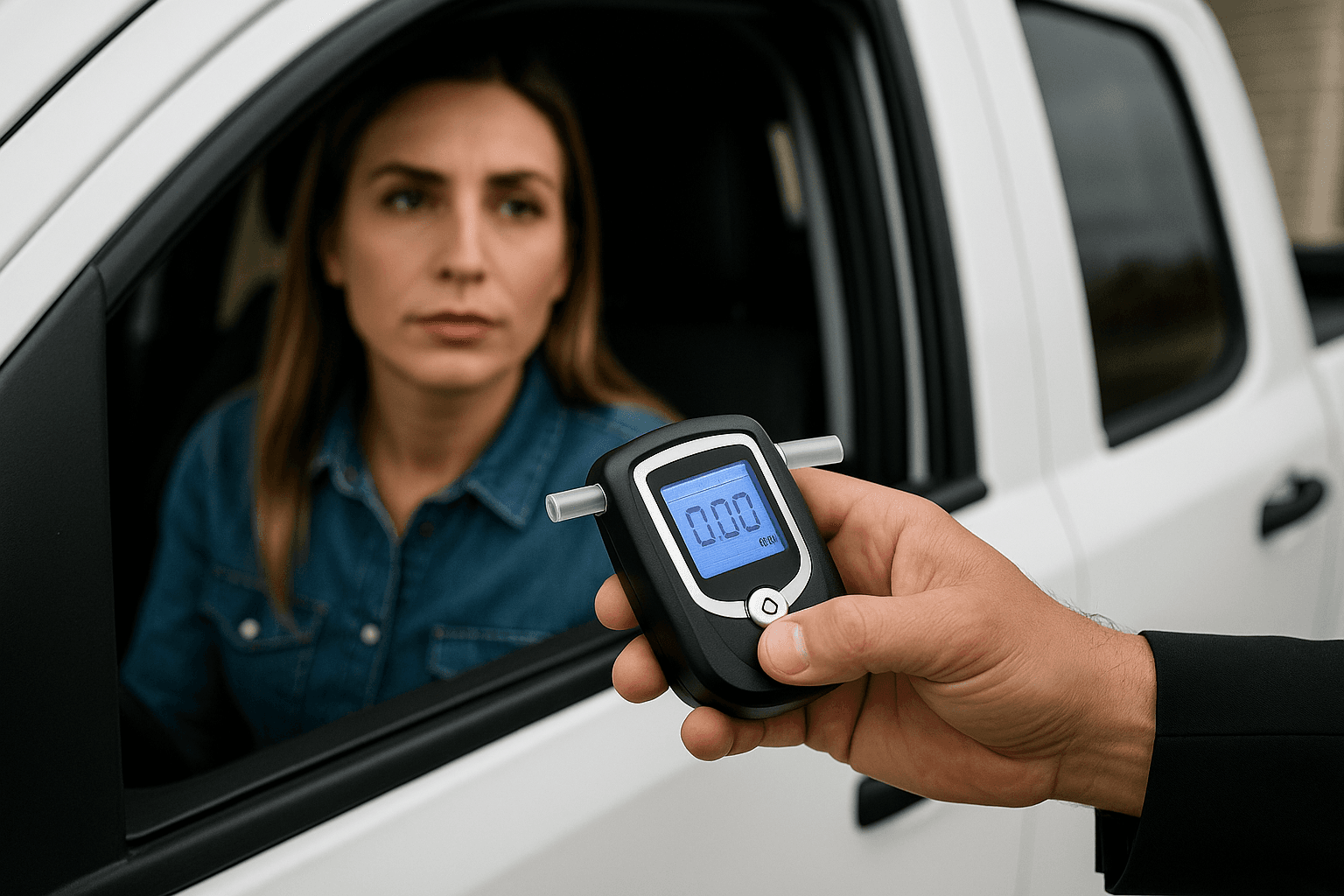
To qualify for immediate LDP under the 2019 pathway, you must install a state-approved ignition interlock device with a certified vendor before you petition the court. The vendor provides installation verification documentation that you attach to your LDP petition. The court will not grant immediate LDP without proof that the IID is already installed and operational. Missouri maintains a list of approved IID vendors on the Department of Revenue website. Installation costs typically run $75–$150, with monthly monitoring fees of $60–$90.
The immediate LDP is court-defined and functions the same as the standard LDP — limited to employment, school, medical appointments, alcohol or drug treatment, and other court-approved purposes. The court sets specific hours and days at the time of granting. The difference is timing: you can petition immediately after suspension rather than waiting 30 days. If you miss the immediate window or do not install IID in time, you fall back to the standard 30-day hard suspension before LDP eligibility.
Related Articles
SR-22 Filing Must Be Active Before Court Grants LDP
Missouri requires SR-22 proof of financial responsibility to be filed with the Department of Revenue for DUI-related suspensions. The SR-22 filing must be active before the circuit court will grant your Limited Driving Privilege. Your insurer files the SR-22 electronically with the DOR — you do not file it yourself. The DOR confirms receipt within 1–3 business days, and you need that confirmation on record before your LDP petition hearing.
SR-22 is not insurance. It is a certificate your insurer files to prove you carry liability coverage meeting Missouri's minimum requirements: $25,000 bodily injury per person, $50,000 bodily injury per accident, $25,000 property damage. Missouri requires SR-22 filing for 2 years following DUI-related suspensions. If your policy lapses or is canceled during the SR-22 period, the insurer notifies the DOR and your driving privilege is suspended again immediately.
Not all insurers write SR-22 policies for DUI drivers. Carriers confirmed writing SR-22 in Missouri include Geico, Progressive, State Farm, The General, Dairyland, Bristol West, GAINSCO, and National General. Monthly premium ranges for SR-22 policies after DUI typically run $140–$280 per month in Missouri, depending on age, county, and prior driving history. Non-owner SR-22 policies cost less if you do not own a vehicle — typically $35–$70 per month — and meet the filing requirement for LDP purposes.
Missouri Reinstatement Fee
$20
Missouri charges a $20 base reinstatement fee for standard suspensions and a $45 fee for alcohol-related revocations. The $45 tier applies to DWI cases. You pay this fee to the Department of Revenue when your suspension period ends and you clear all reinstatement conditions, not at LDP petition.
Missouri DOR Driver License Bureau fee schedule
What the Circuit Court Expects at Petition
Your LDP petition must include: the completed petition form (available from the circuit court clerk in your county), proof of SR-22 insurance filed with the Missouri DOR, proof of employment or other qualifying need (employer letter on letterhead with specific work schedule, school enrollment verification, or medical appointment documentation), and ignition interlock device installation verification if you are petitioning under the immediate pathway. Some courts require SATOP completion documentation before granting LDP; others allow you to complete SATOP during the LDP period. Check with your county circuit court clerk for local procedural rules.
The court sets the approved purposes, hours, and routes at the time of granting. Missouri statute allows LDP for employment, school, medical appointments, alcohol or drug treatment, and other court-approved purposes. The court typically restricts driving to specific hours — for example, 6:00 AM to 7:00 PM on weekdays only — and may limit routes to direct travel between approved locations. Violating LDP restrictions triggers automatic revocation and extends your full suspension period.
Get SR-22 Coverage and Petition in Your County
Start with SR-22 filing. Contact an insurer writing SR-22 policies in Missouri, get coverage in place, confirm the insurer has filed the SR-22 electronically with the Department of Revenue, and wait for DOR confirmation before you petition the court. Gather your employment documentation, SATOP enrollment or completion proof if required, and IID installation verification if you are pursuing immediate LDP. File your petition with the circuit court clerk in the county where you live. The court schedules a hearing or grants the LDP administratively depending on your case specifics. Once granted, the LDP remains in effect until your suspension period ends or you violate its terms.