The Court Filing Fee Is Not the Real Cost
You searched for the Limited Driving Permit application fee and found $25. That number is technically correct — it is what the Superior Court clerk charges to file your LDP petition under Georgia law. But if you showed up to court with $25 and nothing else budgeted, you would not get the permit and you would not be able to drive legally under it even if approved.
Georgia's LDP cost structure breaks across three separate systems that do not talk to each other: the court that grants the permit, the ignition interlock vendor that installs and monitors the device most DUI-related LDPs require, and the SR-22 insurance carrier that files continuous proof of financial responsibility with the Department of Driver Services. Each has its own invoice. None of them bundle. The $25 court filing fee is the entry ticket, not the show.
Compare car insurance rates in your state
Get quotes from licensed carriers — no obligation, no spam, results in minutes.
Get Your Free QuoteFirst-Year Georgia LDP Total Cost
$3,200–$4,800
This range includes court filing, SR-22 setup and first-year premium impact from DUI conviction, ignition interlock installation and 12 months monitoring, and the marginal insurance cost of maintaining coverage on a suspended license. The figure assumes a first-offense DUI with clean prior record and single vehicle on the policy.
Composite estimate from Georgia DDS reinstatement requirements, industry IID vendor pricing, and carrier SR-22 filings as of 2025
What Georgia LDP Actually Requires You to Pay For
The Limited Driving Permit itself costs $25 to file with the Superior Court in your county of residence. That fee covers the court's administrative processing of your petition. Georgia does not charge a separate DDS reinstatement fee at the time of LDP issuance — the $200 reinstatement fee comes later, when you apply to lift the underlying suspension after completing your required filing period and any court-ordered conditions.
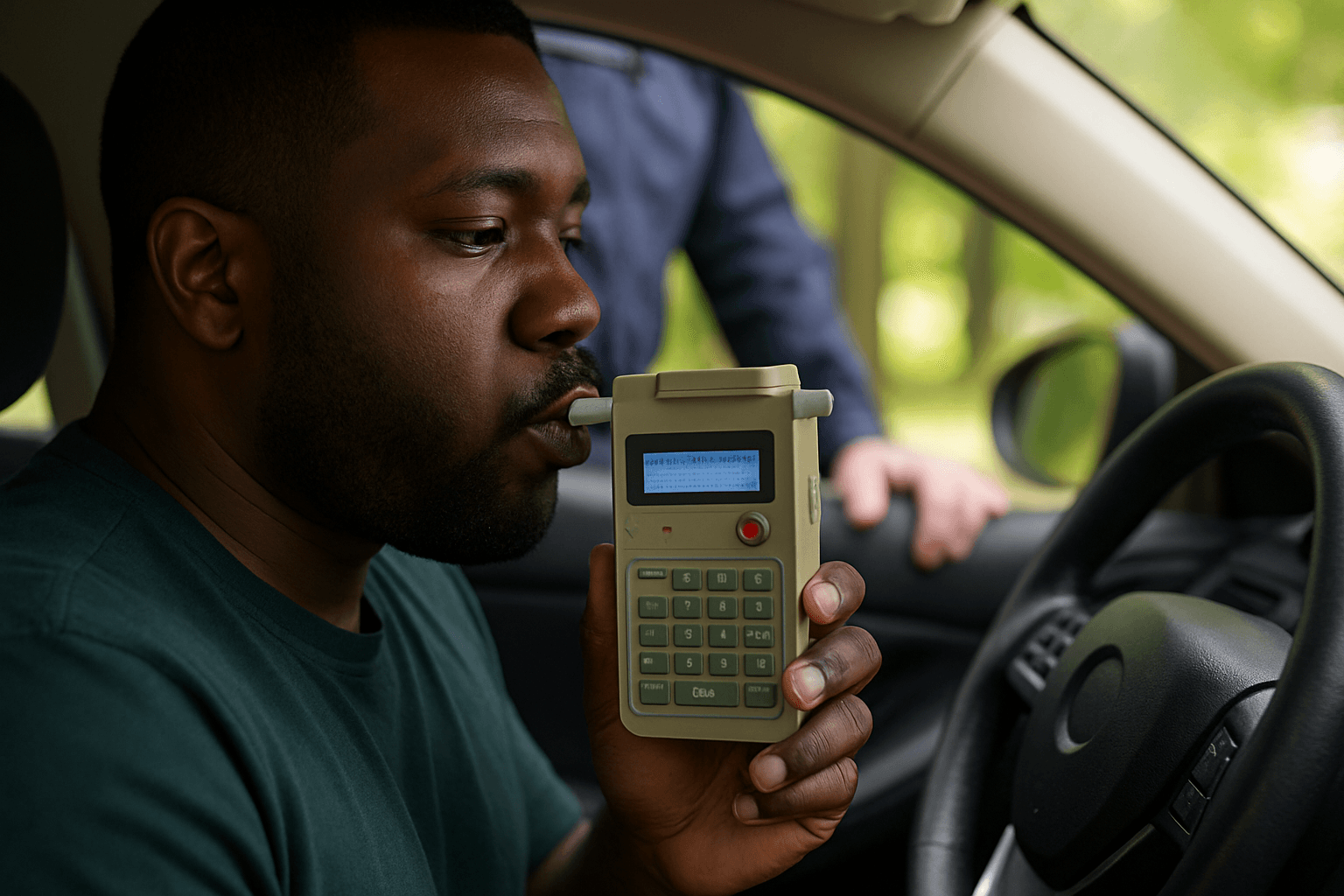
If your suspension stems from a DUI arrest, the court will require proof of ignition interlock installation before granting the LDP. Georgia adopted the Ignition Interlock Limited Driving Permit pathway under HB 205 in 2024, which now mandates IID for virtually all DUI-related permits. Installation runs $75–$150 depending on vendor and device model. Monthly monitoring and calibration fees run $60–$90 per month for the duration of your LDP, which is typically 12 months for a first offense.
SR-22 filing is required for DUI suspensions and most uninsured motorist violations under Georgia law. The SR-22 itself is a liability insurance certificate filed electronically by your carrier with the Department of Driver Services. Most carriers charge a one-time filing fee of $25–$50. The real cost is not the filing — it is the sustained premium increase that follows a DUI conviction. Georgia drivers with a DUI on record typically see auto insurance premiums increase 60–110 percent over their pre-conviction rate, and that increase persists for three years while the SR-22 filing remains active.
The court petition, the IID vendor invoice, and the SR-22 carrier premium bill arrive separately. Budget for all three or the LDP will not function as a drivable permit.
Breaking Down the First-Year Invoice by Cost Layer

Court filing fee: $25, paid to the Superior Court clerk at the time you submit your LDP petition. This is a one-time charge. Processing time varies by county — Metro Atlanta counties (Fulton, DeKalb, Gwinnett, Cobb) typically schedule hearings within 15–30 days; rural counties may take 45–60 days. The court does not refund the filing fee if your petition is denied.
Ignition interlock installation and monitoring: $75–$150 installation (one-time), plus $60–$90 per month for monitoring, calibration, and data reporting to DDS. For a 12-month LDP period (the standard duration for first-offense DUI), expect $795–$1,230 total IID cost. Approved vendors in Georgia include Intoxalock, LifeSafer, and Smart Start. The vendor bills you directly; the court and DDS do not collect this fee. Failure to maintain the device or missing a calibration appointment triggers a violation report to DDS and can result in LDP revocation without refund.
Related Articles





SR-22 Filing Fee vs Premium Impact
The SR-22 filing fee itself is minor — most Georgia carriers charge $25–$50 to submit the electronic certificate to DDS. Some carriers (GEICO, Progressive, State Farm) include SR-22 filing at no additional charge if you already carry a policy with them. The filing fee is a one-time or annual charge depending on carrier billing practices.
The sustained cost is the premium increase that comes with a DUI conviction. Georgia law requires SR-22 filing for three years following DUI conviction or uninsured motorist suspension. During that period, your auto insurance premium will reflect the DUI on your driving record. Industry data shows Georgia drivers with a DUI pay 60–110 percent more than clean-record drivers for the same coverage. On a baseline premium of $140/month, a DUI conviction pushes the monthly cost to $224–$294/month — an additional $1,008–$1,848 per year. That increase persists for the full three-year SR-22 filing period, and in many cases beyond if the carrier does not re-rate at the end of the filing window.
Not all carriers write SR-22 policies for Georgia DUI drivers. Standard-tier carriers (Allstate, Farmers, Liberty Mutual) frequently non-renew or decline new business after a DUI conviction. Non-standard carriers (Dairyland, The General, Direct Auto, Bristol West) specialize in high-risk drivers and will write SR-22 coverage, but their baseline rates are higher even before the DUI surcharge is applied. Shopping multiple carriers is the only way to compress the premium impact — rate spreads between the lowest and highest SR-22 quotes for the same driver profile can exceed $100/month.
Georgia DUI SR-22 Premium Range
$224–$294/month
Estimate reflects typical monthly premium for liability-only SR-22 coverage post-DUI conviction in Metro Atlanta for a 30-year-old male driver with clean prior record. Rates vary by age, county, vehicle, and carrier underwriting tier. Full-coverage policies add $80–$150/month on top of this baseline.
Composite carrier rate estimates, Georgia market, non-standard tier, as of 2025
The Reinstatement Fee Comes Later
Georgia charges a $200 reinstatement fee when you apply to lift the underlying suspension and restore your full unrestricted license. This fee is separate from the LDP filing fee and is not due at the time you obtain the permit. You pay the reinstatement fee to DDS after completing your required SR-22 filing period, finishing any court-ordered DUI education programs, and satisfying all other conditions of your suspension. The reinstatement fee is not refundable and does not apply toward the cost of the LDP itself.
How to Reduce the Total Cost Stack
The court filing fee and reinstatement fee are fixed by state law and cannot be negotiated. The ignition interlock vendor cost is largely fixed as well — approved vendors in Georgia operate under DDS regulations that standardize pricing within narrow bands. The only variable cost layer you can control is the SR-22 insurance premium, and the spread between carriers is significant enough to justify comparison shopping.
Request quotes from at least three non-standard carriers before selecting coverage. Dairyland, The General, and Progressive write Georgia SR-22 policies and compete on price in the high-risk market. GEICO and State Farm will write SR-22 for existing customers but may non-renew at the next policy term. Direct Auto and Bristol West specialize in suspended-license coverage and often quote lower baseline premiums than standard-tier carriers, but their customer service and claims handling reputations vary. Compare the total annual premium, not just the monthly payment — some carriers front-load fees in the first month or charge higher down payments that distort the true cost.
Do not let the SR-22 filing lapse during your three-year required period. If your carrier cancels your policy or you fail to maintain continuous coverage, the carrier files an SR-26 notice with DDS and your suspension reinstates automatically. You lose the LDP, you lose any progress toward reinstatement, and you start the SR-22 clock over from zero when you re-file. The cost of a lapse is not just the inconvenience — it is the full cost stack all over again.