
What You Pay Before the Permit Is Approved
You've already calculated the Georgia Limited Driving Permit application fee—$25, paid to the DDS before your hearing or administrative review. The permit cost is transparent. The insurance cost stack is not. Most carriers won't quote SR-22 premiums until you've already filed the LDP application, and the ignition interlock requirement kicks in before your first premium payment clears.
The permit application is a one-time expense. The insurance stack runs for 36 months minimum, compounds with every coverage lapse, and includes three separate cost centers: SR-22 filing fee, ignition interlock monitoring, and the premium increase itself. North Carolina LDP applicants face court fees on top of the DDS application cost, and Ohio Limited Driving Privileges petitioners pay attorney fees for court representation because the petition process isn't administrative. The insurance stack is identical across all three states.
Compare car insurance rates in your state
Get quotes from licensed carriers — no obligation, no spam, results in minutes.
Get Your Free QuoteIgnition Interlock Monitoring Cost
$70–$150/mo
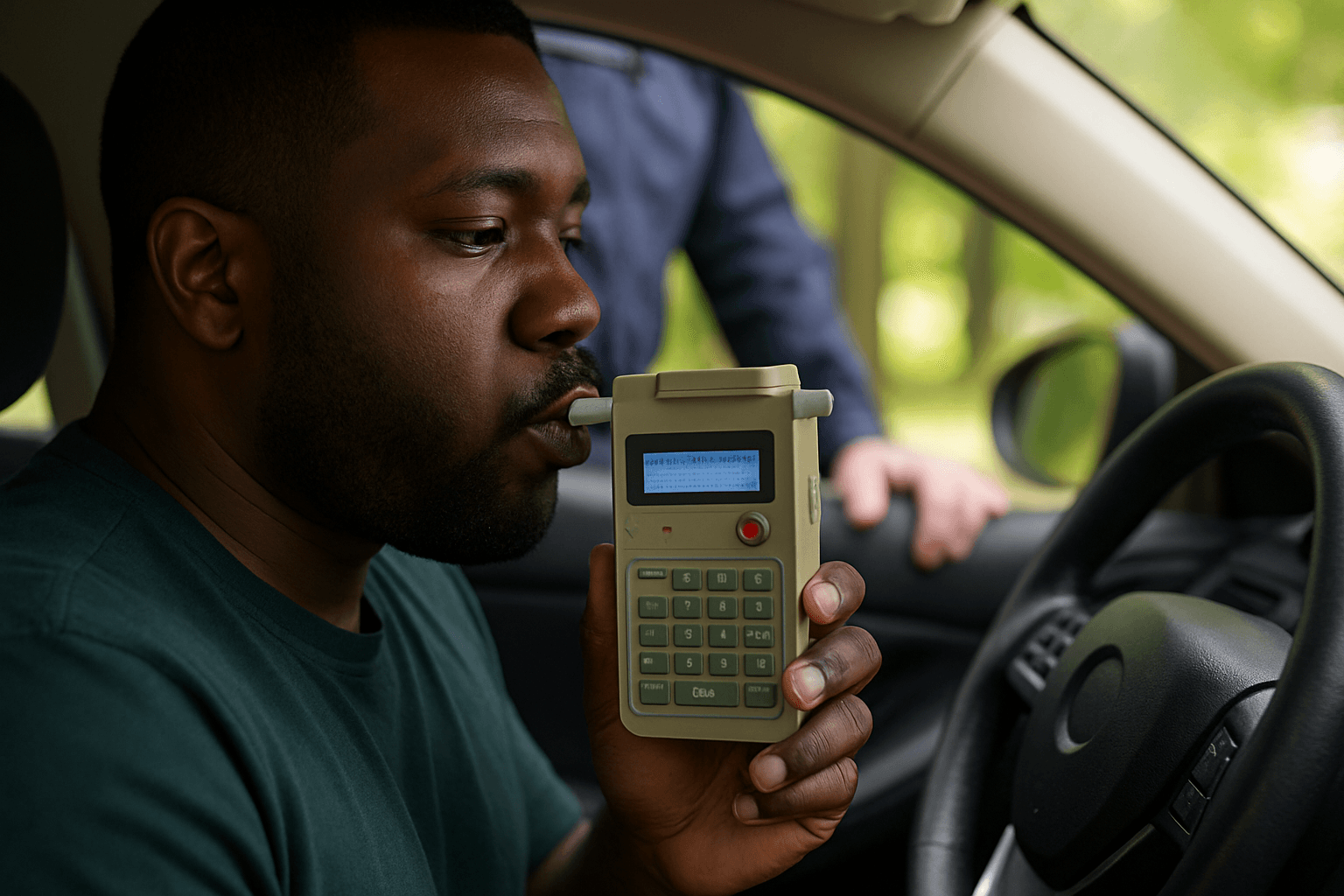
IID vendors charge installation ($100–$200 upfront), monthly monitoring ($70–$150), and periodic calibration ($20–$40 every 60 days). Georgia DUI-LDP cases require IID for 12 months minimum; second offenses extend the period to 24–36 months.
Georgia Department of Driver Services, IID program requirements
SR-22 Filing Fee and Premium Increase
The SR-22 filing fee is $25–$50 paid once at policy setup. Georgia requires SR-22 for DUI suspensions; North Carolina requires it for DWI; Ohio requires it for most OVI cases. The filing itself is cheap. The premium increase it triggers is not.
SR-22 designates you as high-risk. Carriers respond by reclassifying your policy into non-standard tiers with 50–200% premium increases over your pre-suspension rate. A driver paying $110/month before suspension will pay $165–$330/month after SR-22 filing, depending on carrier, violation severity, and county. The increase lasts for the full 3-year filing period. If your policy lapses for any reason—missed payment, carrier non-renewal, voluntary cancellation—the SR-22 filing terminates, the state revokes your permit immediately, and you restart the full suspension clock from day one.
Non-owner SR-22 policies cost less than standard policies because they carry liability-only coverage with no vehicle on the policy. Georgia permits non-owner SR-22 for LDP holders who don't own a car. The monthly premium runs $60–$120/month, lower than standard policies but still sustained across 36 months. Total cost over the filing period: $2,160–$4,320.
The permit application fee is visible. The insurance stack—SR-22 filing, IID monitoring, and 3-year premium increase—runs $5,000–$9,000 total and isn't quoted until after you've committed to the permit process.
How Carriers Structure the Cost Stack

The quote screen shows monthly premium only. SR-22 filing fee appears as a separate one-time charge at policy bind, not in the monthly rate calculation. IID cost doesn't appear in the insurance quote at all—it's paid directly to the interlock vendor, billed monthly, and runs concurrently with your insurance premium. Carriers assume you already know about IID because it's court-ordered, but most LDP applicants don't budget for $70–$150/month in monitoring fees on top of the premium increase.
Down payment structure varies by carrier. Some require first month plus SR-22 filing fee upfront ($85–$380 depending on premium tier). Others offer payment plans that split the down payment across two months but charge interest on the financed portion. Zero-down policies exist but typically come with higher monthly premiums—financed cost, not waived cost. The cheapest total-cost path is paying the down payment in full at bind, not stretching it across installments.
Related Articles




State-Specific Cost Differences
Georgia LDP application costs $25. North Carolina LDP court petition has no fixed DMV fee, but court costs run $150–$300 depending on county, and most petitioners hire attorneys ($500–$1,500). Ohio Limited Driving Privileges petitions require court appearance with legal representation; attorney fees run $750–$2,000 depending on case complexity and county. Missouri LDP application is administrative with a $20 DOR fee. Minnesota Limited License reinstatement includes a $680 reinstatement fee before the restricted license is issued. Utah Limited License has no separate application fee but requires SR-22 filing for DUI cases. Alaska Limited License is court-discretionary with no fixed DMV fee schedule.
SR-22 filing duration is 3 years in Georgia, North Carolina, Ohio, Missouri, and Minnesota for DUI/DWI triggers. Utah requires 3 years post-DUI. Alaska requires 5 years. The premium increase compounds over the full filing period—36 months of elevated rates in most states, 60 months in Alaska. A $100/month increase over 36 months costs $3,600 total. Over 60 months it costs $6,000.
IID requirements vary by state and offense count. Georgia requires 12 months minimum for first-offense DUI, 24 months for second offense. North Carolina requires IID for all DWI convictions, duration set by court. Ohio requires IID for all OVI cases with limited driving privileges, minimum 6 months. Missouri requires IID for repeat offenders and high-BAC first offenses. Minnesota, Utah, and Alaska follow similar structures. Monthly monitoring cost is identical across vendors regardless of state: $70–$150/month.
3-Year Insurance Stack Total
$5,000–$9,000
SR-22 filing fee ($25–$50) plus 36 months of premium increases ($80–$200/mo = $2,880–$7,200) plus ignition interlock monitoring for 12–24 months ($70–$150/mo = $840–$3,600). Does not include permit application fee, court costs, or attorney fees.
Industry rate estimates; individual costs vary by carrier, county, and violation severity
How to Compare Carriers Without Hiding Cost
Request quotes from at least three carriers who file SR-22 in your state. Not all carriers file SR-22; USAA, Amica, and several regional carriers don't participate. Bristol West, The General, National General, Direct Auto, and Acceptance specialize in non-standard SR-22 policies and typically quote lower monthly premiums than standard carriers like State Farm or Allstate. Lower monthly premium doesn't always mean lower total cost—payment plan interest, lapse forgiveness terms, and cancellation fees vary.
Ask each carrier for total cost breakdown: monthly premium, SR-22 filing fee, down payment, payment plan terms, and cancellation penalty. Compare 36-month total cost, not monthly rate. A carrier quoting $120/month with $200 down and zero cancellation fee costs $4,520 total. A carrier quoting $100/month with zero down but $150 cancellation fee and 8% payment-plan interest costs $4,788 total if you finance the down payment across 6 months. The second quote looks cheaper but costs $268 more over the life of the policy.
Budget the Full Stack Before You Apply
Calculate total obligation before filing the LDP application. Georgia: $25 LDP application, $25–$50 SR-22 filing, $100–$200 IID installation, $70–$150/month IID monitoring for 12 months ($840–$1,800), $80–$200/month premium increase for 36 months ($2,880–$7,200). Total: $3,870–$9,275 across 3 years. North Carolina: add $150–$300 court costs and $500–$1,500 attorney fees to the same insurance stack. Ohio: add $750–$2,000 attorney fees.
If you can't sustain the monthly cost—premium plus IID monitoring—for the full permit period, lapsing mid-term is worse than not applying. A lapse revokes the permit, restarts the full hard suspension, and requires you to repay all application and filing fees when you reapply. Most suspended drivers underestimate IID monitoring cost because it's billed separately from insurance. Budget $150–$350/month total for insurance premium plus IID monitoring, sustained for 12–36 months depending on your offense and state. Hardship license insurance pages for your state break down carrier-specific cost structures and filing timelines so you can model the full obligation before committing to the application process.