
The Interlock Mandate at Petition
You petitioned for Limited Driving Privileges after your first OVI conviction in Ohio, expecting the court to grant work-and-school driving only. The judge approved your LDP petition — and ordered ignition interlock device installation before the privileges take effect. You assumed interlock was reserved for repeat offenders or aggravated cases. It is not. Ohio Revised Code 4510.022 mandates ignition interlock for all OVI-related Limited Driving Privileges, including first-offense convictions. The interlock requirement attaches to the LDP itself, not the underlying conviction severity.
Most drivers encounter the interlock mandate after the court grants LDP, not before. The arresting officer does not mention it. The conviction paperwork does not flag it. The LDP petition form does not emphasize it. The structural reality surfaces when the judge signs the order and specifies the vendor, install deadline, and monthly monitoring requirement. By that point, you have already filed for LDP — the interlock is now a condition of using it.
Compare car insurance rates in your state
Get quotes from licensed carriers — no obligation, no spam, results in minutes.
Get Your Free QuoteOhio IID Install Fee
$75–$125
Installation costs vary by vendor but typically fall in this range statewide. Monthly monitoring fees add $60–$80 per month for the duration of the court-ordered period, which usually matches the LDP term length.
Ohio Department of Public Safety approved IID vendor pricing, 2025
Who the Mandate Applies To
The ignition interlock requirement applies to every OVI offender petitioning for Limited Driving Privileges in Ohio, regardless of BAC level, prior record, or whether the underlying suspension is Administrative License Suspension or court-imposed. First-offense drivers with a 0.08% BAC and no aggravating factors face the same interlock mandate as drivers with higher BAC or prior violations. The statute draws no distinction.
The mandate does not apply to non-OVI suspension triggers. Drivers suspended for uninsured operation, points accumulation, or unpaid tickets who petition for LDP do not face automatic interlock requirement. The interlock attaches specifically to OVI cases. If your suspension is for a non-alcohol, non-drug violation, the court petition process proceeds without the interlock condition unless the judge adds it for other reasons.
Drivers with four or more OVI offenses within 10 years face a three-year hard suspension before LDP eligibility, and some aggravated or felony OVI convictions carry mandatory suspensions with no LDP eligibility at all. For those cases, interlock is not the structural blocker — ineligibility for LDP is.
Ohio's interlock mandate for LDP is statutory, not discretionary. The court cannot waive it for first-offense OVI cases — ORC 4510.022 removes judicial discretion.
Installation Timeline and SR-22 Coordination
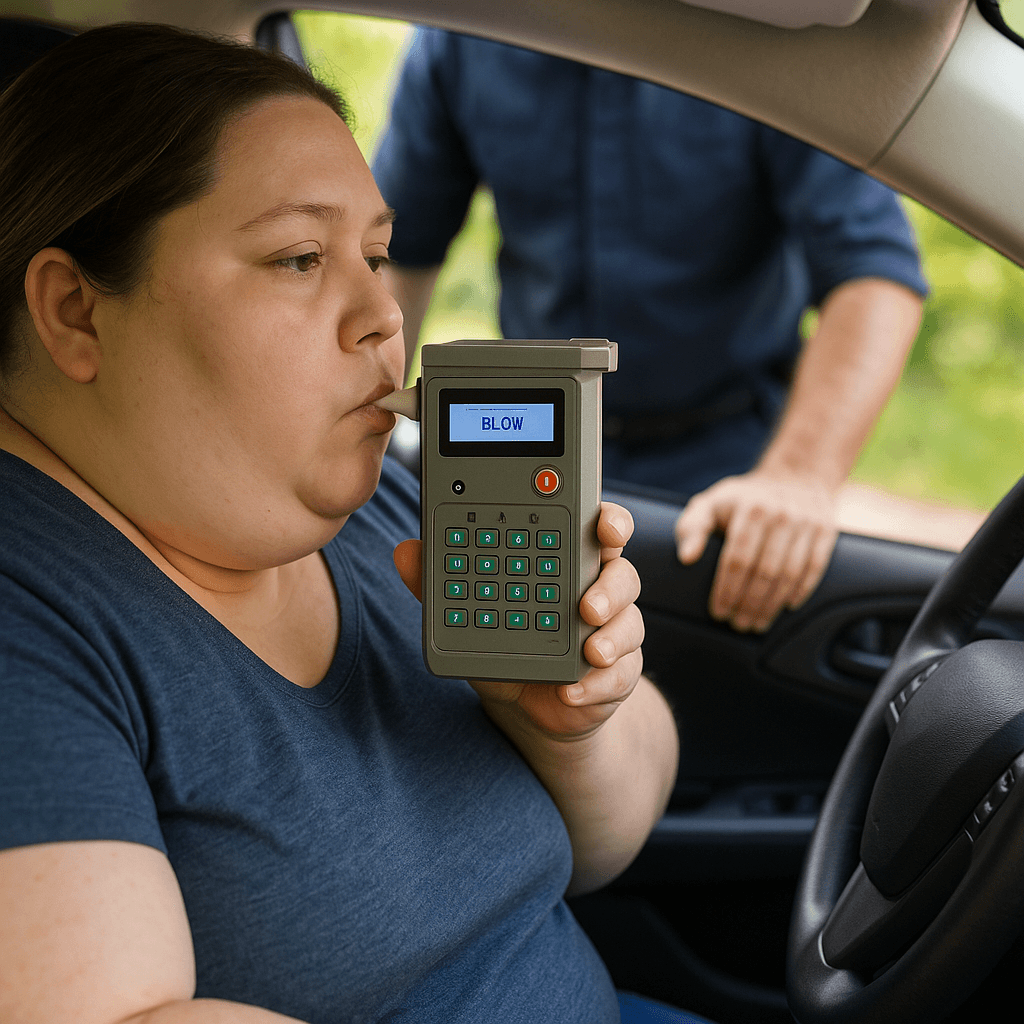
The court order granting LDP specifies an installation deadline, typically 10 to 30 days from the order date. You schedule the install appointment with an Ohio Department of Public Safety approved vendor. The vendor installs the device, calibrates it, and trains you on its use. The vendor then files a compliance report with the court and the Ohio BMV. Until that compliance report is filed, your LDP is not active — driving without the installed and reported device violates both the court order and the underlying suspension.
SR-22 insurance must be on file with the Ohio BMV before the court issues the LDP order. The petition itself requires proof of SR-22 filing as part of the documentation package. Most carriers file SR-22 electronically within 24 to 48 hours of policy binding, but the BMV processing delay adds two to five business days before the filing shows as active on your record. Petition timing must account for this lag. If the SR-22 filing is not reflected on your BMV record when the court reviews your petition, the judge will deny the petition or delay the hearing.
Related Articles




Cost Structure and Monthly Monitoring
The installation fee ranges from $75 to $125 depending on vendor and vehicle type. Monthly monitoring fees range from $60 to $80. For a one-year LDP term, the total interlock cost is approximately $800 to $1,085 — install plus 12 months of monitoring. For a three-year term, the cost climbs to $2,235 to $3,005. These costs are separate from and in addition to the SR-22 insurance premium, the $475 OVI reinstatement fee, and the Driver Intervention Program fee.
Some vendors offer payment plans for the installation fee but require monthly monitoring fees paid in advance. Missing a monthly payment triggers vendor reporting to the court, which typically results in immediate LDP suspension. The court views missed monitoring payments as noncompliance with the interlock condition, not merely a billing issue.
Ohio SR-22 Filing Period
3 years
Ohio requires SR-22 filing for three years following OVI conviction, measured from the conviction date. The filing period runs concurrently with the LDP term and the interlock monitoring period, meaning all three obligations overlap for first-offense cases.
Ohio Revised Code 4509.45
Violation Consequences and Rolling Violations
Ignition interlock devices log every startup attempt, every failed breath test, and every circumvention attempt. The vendor reports these logs to the court monthly. A single failed breath test — any BAC reading above 0.00% — triggers a rolling violation under most court orders. Rolling violations extend the interlock monitoring period by 30 to 90 days per incident, which extends your LDP term and increases total cost. Three rolling violations within a 12-month period typically result in LDP revocation and reinstatement of the full suspension period.
Attempting to start the vehicle without providing a breath sample, tampering with the device, or having another person provide the sample constitutes circumvention. Vendors detect circumvention through pressure sensors, camera verification in some models, and pattern analysis. Circumvention is reported to the court immediately and usually results in LDP revocation without a grace period.
Petition Path and Next Step
You petition for Limited Driving Privileges through the court that has jurisdiction over your case. For OVI convictions, this is the sentencing court. For Administrative License Suspensions, you petition the court of common pleas in your county of residence. The petition requires proof of SR-22 filing, proof of employment or necessity (work, school, medical, court-ordered treatment), payment of the court filing fee, and a current BMV driving record. Some courts schedule a hearing; others grant LDP administratively for first-offense cases with no aggravating factors.
Once the court grants LDP, you have 10 to 30 days to install the ignition interlock device. You contact an Ohio Department of Public Safety approved vendor, schedule the install, and pay the installation fee. After install, the vendor files the compliance report with the court and BMV. Only then does your LDP take effect. Driving before the compliance report is filed is driving under suspension, even if you have the signed court order in hand. The interlock compliance report is the final gating step, not the court signature.
Compare SR-22 carriers that write post-OVI coverage in Ohio before binding. Monthly premiums for first-offense OVI with SR-22 filing typically range from $140 to $220 per month for liability-only coverage. Binding with a carrier that files SR-22 electronically shortens the pre-petition waiting period and reduces the risk of petition denial due to unfiled proof of insurance.