
The Filing Gap After LDP Approval
Your limited driving permit was approved—$25 application fee paid, hearing completed if required, approved purposes confirmed with the DDS—but the SR-22 filing window opened and you don't own a vehicle. HR won't accept the permit without proof of insurance, the carrier rep told you standard auto policies require an owned vehicle, and the DDS reinstatement letter says SR-22 must be filed within 30 days or the permit becomes void. The structural reality no one explained: SR-22 is not vehicle insurance, it is driver-entity financial responsibility proof, and non-owner SR-22 exists specifically for this gap.
This article opens at the exact moment most Georgia LDP holders hit the filing blocker: permit approved, no owned vehicle, SR-22 clock running. You'll see what non-owner SR-22 actually covers, why it satisfies the Georgia DDS filing requirement even without an owned vehicle, how the premium structure compares to standard auto SR-22, and the specific timing windows between permit approval and filing that determine whether your LDP stays active or lapses before you can use it.
Compare car insurance rates in your state
Get quotes from licensed carriers — no obligation, no spam, results in minutes.
Get Your Free QuoteNon-Owner SR-22 Monthly Premium
$25–$45/mo
Georgia non-owner SR-22 policies typically cost $25–$45 per month for state minimum liability coverage with SR-22 endorsement, substantially lower than owned-vehicle SR-22 premiums of $90–$160/mo because the policy covers only borrowed or rented vehicles—not a specific owned asset.
Industry carrier filings, Georgia non-owner policy quotes
What Non-Owner SR-22 Actually Covers
Non-owner SR-22 is a liability-only auto insurance policy that covers you as the driver when operating a vehicle you don't own—borrowed from family, rented from an agency, or provided by an employer. The SR-22 endorsement is the state-mandated filing proving you maintain continuous financial responsibility coverage. Georgia requires 25/50/25 liability minimums: $25,000 bodily injury per person, $50,000 bodily injury per accident, $25,000 property damage. The non-owner policy carries those minimums and files the SR-22 certificate electronically with the Georgia DDS.
The structural distinction most carriers fail to explain clearly: SR-22 is not a separate insurance product, it is a certification attached to an underlying auto policy. When you own a vehicle, that underlying policy is standard auto insurance covering the specific car. When you don't own a vehicle, the underlying policy is non-owner coverage—no VIN, no collision or comprehensive, no owned-asset coverage at all. The SR-22 filing works identically in both cases. The Georgia DDS receives the same electronic certificate whether it's attached to owned-vehicle coverage or non-owner coverage.
Non-owner SR-22 does not cover vehicles you own, vehicles registered in your name, or vehicles available for your regular use. If you later purchase a vehicle or register one in your name, the non-owner policy must convert to standard auto SR-22 within typically 30 days or the DDS treats the filing as lapsed. The coverage is specifically designed for the gap period when you need SR-22 proof but have no owned vehicle to insure.
Georgia DDS does not distinguish between owned-vehicle SR-22 and non-owner SR-22 in its filing database—both satisfy the 3-year continuous filing requirement identically.
Filing Mechanics Without an Owned Vehicle
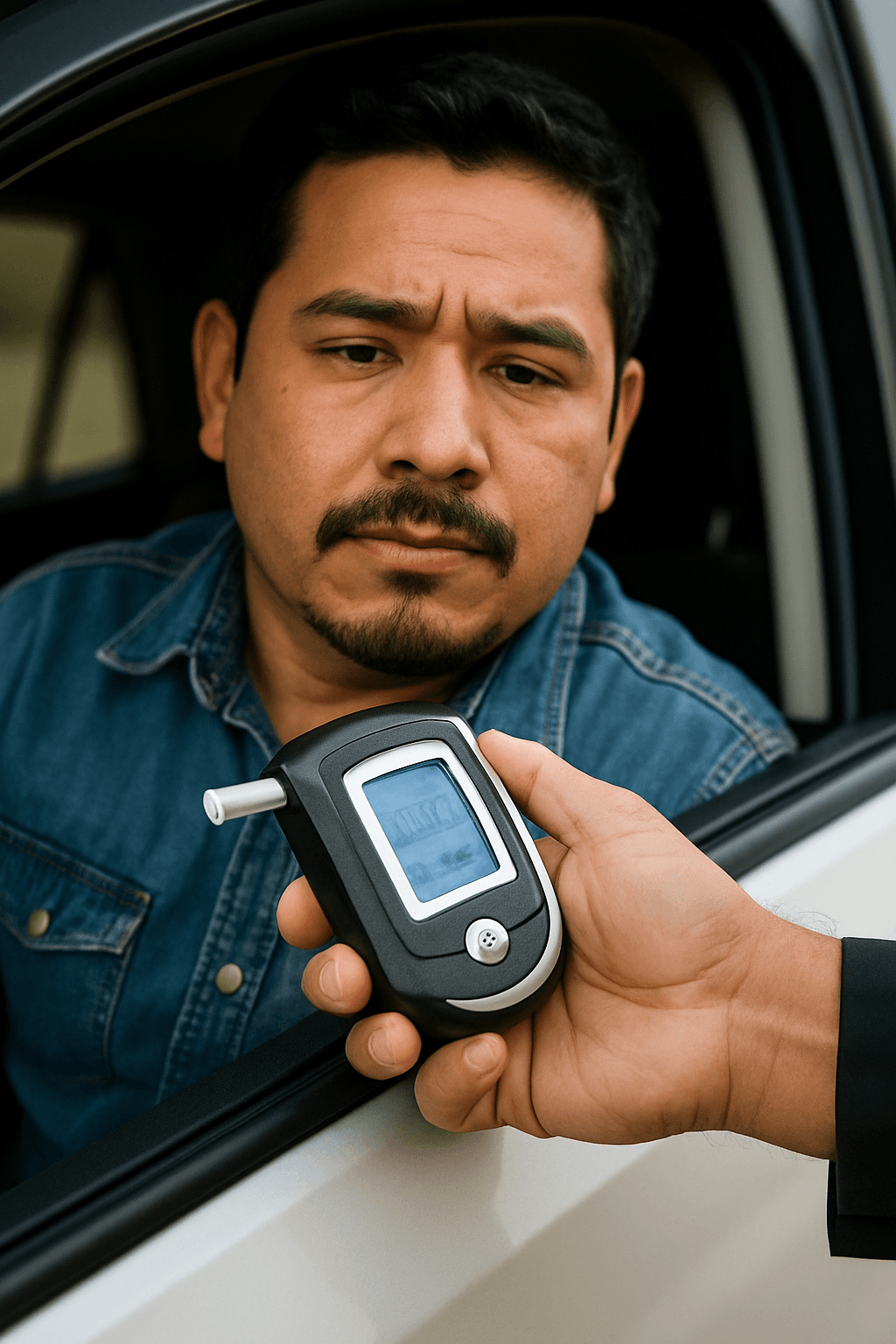
You apply directly with a carrier offering non-owner policies in Georgia—State Farm, GEICO, Progressive, and The General all write non-owner SR-22, though availability varies by underwriting tier and DUI conviction count. The application asks for your driver's license number, your suspension cause (first-offense DUI, refusal, reckless driving, or other SR-22-triggering violation), and the SR-22 filing start date from your DDS reinstatement letter. No VIN, no garage address for the vehicle, no prior policy declaration page. Underwriting reviews your driving record, prices the liability-only premium at your risk tier, and issues the policy with SR-22 endorsement attached.
The carrier files the SR-22 certificate electronically with the Georgia DDS within 1-3 business days of policy binding. You receive a policy declarations page showing non-owner coverage, the 25/50/25 liability limits, the SR-22 endorsement code, and the 3-year filing period. That declarations page is what HR accepts as proof of insurance for limited driving permit employment purposes—it proves you maintain the financial responsibility coverage Georgia law requires even though you own no vehicle. Premium is typically paid monthly, and the SR-22 filing remains active as long as the policy stays in force without lapse.
Related Articles





Premium Structure and 3-Year Filing Duration
Georgia non-owner SR-22 premiums run $25–$45 per month for clean-record drivers in the non-owner tier, $50–$85/mo for drivers with one DUI conviction, and $90–$140/mo for drivers with multiple DUI convictions or aggravated circumstances. The premium reflects liability-only coverage with no collision, no comprehensive, and no owned-asset risk for the carrier to price. Standard owned-vehicle SR-22 premiums in Georgia typically run $90–$160/mo for comparable violation history because the carrier insures both the driver and the specific vehicle.
The SR-22 filing itself costs nothing beyond the policy premium—Georgia carriers include the SR-22 endorsement administrative fee in the monthly rate rather than charging it separately. Some carriers assess a one-time $15–$25 SR-22 setup fee at policy inception, but monthly rates remain constant throughout the 3-year filing period assuming no new violations. The 3-year clock starts the day the carrier files the SR-22 certificate with the DDS, not the day you applied for the limited driving permit or the day your suspension began.
If the policy lapses for non-payment—even one day—the carrier files an SR-26 cancellation notice with the Georgia DDS, your limited driving permit is immediately suspended, and the 3-year SR-22 clock resets from zero when you refile. Georgia does not allow gap tolerance or reinstatement without penalty. The only way to preserve the filing clock and keep your LDP active is to maintain the non-owner policy in continuous force for the full 36-month period.
When the 3-year filing period ends, the carrier does not automatically cancel your policy—non-owner coverage can continue month-to-month without the SR-22 endorsement if you still need liability coverage for borrowed or rented vehicles. The SR-22 requirement simply expires. You are not required to maintain non-owner coverage after the filing period unless you continue driving vehicles you don't own and need liability protection.
SR-22 Electronic Filing Window
1–3 business days
Georgia carriers file SR-22 certificates electronically with the DDS within 1-3 business days of policy binding. The DDS updates its database in real time, and your limited driving permit becomes valid for approved-purposes driving the moment the filing posts—not when you receive the physical policy declarations page in the mail.
Georgia DDS SR-22 processing protocol
When Non-Owner SR-22 Does Not Apply
Non-owner SR-22 fails in three specific scenarios Georgia LDP holders encounter regularly. First: you own a vehicle registered in your name but cannot drive it during the suspension period. The DDS and carriers classify that as owned-vehicle risk even if the car sits parked—you must carry standard auto SR-22 on the registered vehicle, not non-owner coverage. Second: you live with a family member who owns a vehicle and allows you regular use under your limited driving permit. Carriers treat regular-use vehicles as owned-vehicle exposure and deny non-owner applications—you either get listed as a driver on the family member's policy with SR-22 endorsement, or you obtain your own standard auto policy naming that vehicle.
Third: you plan to purchase or register a vehicle within the next 30 days. Non-owner policies include a standard exclusion voiding coverage the moment you take ownership or registration of any vehicle. If you know a vehicle purchase is imminent, apply directly for standard auto SR-22 rather than starting with non-owner and converting later—the conversion process can create filing gaps if not timed perfectly, and any gap triggers SR-26 cancellation with immediate LDP suspension.
Applying for Non-Owner SR-22 Before or After LDP Approval
You can apply for non-owner SR-22 before your limited driving permit hearing or application is approved—the SR-22 filing posts to your DDS record immediately and proves financial responsibility coverage is already in place when the hearing officer or administrative reviewer evaluates your LDP petition. Some Georgia counties require proof of SR-22 filing as a condition of LDP approval rather than allowing a post-approval filing window. Applying early eliminates that procedural blocker and shortens the total timeline from suspension to legal driving.
If you apply after LDP approval, the DDS reinstatement letter specifies the SR-22 filing deadline—typically 30 days from the permit issue date. Missing that deadline voids the permit, and you must reapply from the beginning including any required hearings and documentation. The non-owner SR-22 application, underwriting, and electronic filing completes in 3–5 business days under normal carrier processing, leaving margin for delays. Waiting until day 25 of a 30-day window creates risk that underwriting questions, payment processing delays, or carrier system outages prevent timely filing. Start the application within 7 days of LDP approval to preserve filing margin and avoid permit-voiding gaps.