
Court Controls Limited License Access in Alaska
Your Alaska driver's license was suspended after a DUI conviction. Your job requires you to drive to remote work sites, and public transit does not exist in your community. You need permission to drive legally—but Alaska's limited license process runs entirely through the courts, not through the Division of Motor Vehicles administrative channel used in most other states.
Alaska Statutes 28.15.201 grants judges discretion to issue limited licenses for employment, medical treatment, education, or other court-approved purposes. There is no DMV form you can file. You petition the court that handled your case, provide documentation proving the specific need, and wait for a hearing. The timeline, approval odds, and scope of your driving privileges depend on the judge assigned to your case and the district where you were convicted.
Compare car insurance rates in your state
Get quotes from licensed carriers — no obligation, no spam, results in minutes.
Get Your Free QuoteAlaska First DUI Hard Suspension
90 days
Alaska Statutes 28.35.030 imposes a mandatory 90-day hard suspension before any limited license petition is heard for first-offense DUI. Subsequent offenses carry longer mandatory periods with no limited license eligibility during that window.
AS 28.35.030 (DUI penalties and IID)
What Alaska's Limited License Actually Permits
Alaska limited licenses restrict driving to court-defined purposes: travel necessary for employment, medical treatment, education, or other specific needs approved by the issuing judge. You cannot use a limited license for general errands, social visits, or convenience trips. The court sets the approved purposes in your order, and those purposes are the only legal reason you may drive.
The court also sets the specific hours you are permitted to drive. These time restrictions are tied to your documented need—your employer's shift schedule, your medical appointment times, or your class enrollment hours. Driving outside those approved hours, even on an approved route, violates the limited license terms and triggers revocation.
Route restrictions reference specific road corridors rather than mileage radii. Alaska's road network is fragmented—many communities have only one road in and one road out—so the court defines your permitted travel by naming the highway or local road corridor that connects your home to your approved destination. If you live in a roadless bush community accessible only by air or ferry, a limited license granting permission to drive specific roads may offer no practical benefit.
Alaska's court-only petition process means approval depends entirely on judicial discretion. Outcomes vary by judge and district, with no DMV administrative pathway as backup.
Petition Process and Required Documentation

Required documentation includes a written petition to the court, proof of need such as an employer letter on company letterhead stating your work location and shift hours, medical appointment schedules, or school enrollment verification. For DUI-related suspensions, you must also file proof of SR-22 insurance coverage with Alaska DMV before the court will consider your petition. The court may require additional documentation at its discretion, depending on your conviction details and prior driving record.
The court schedules a hearing to review your petition. Hearing timelines vary by district and court calendar availability—Anchorage and Fairbanks courts typically schedule hearings within 30 to 60 days, but rural district courts may take longer. At the hearing, the judge evaluates your documented need, reviews your driving history, and decides whether to grant the limited license and what restrictions to impose. If approved, the court issues an order specifying your permitted purposes, approved hours, and route restrictions.
Related Articles
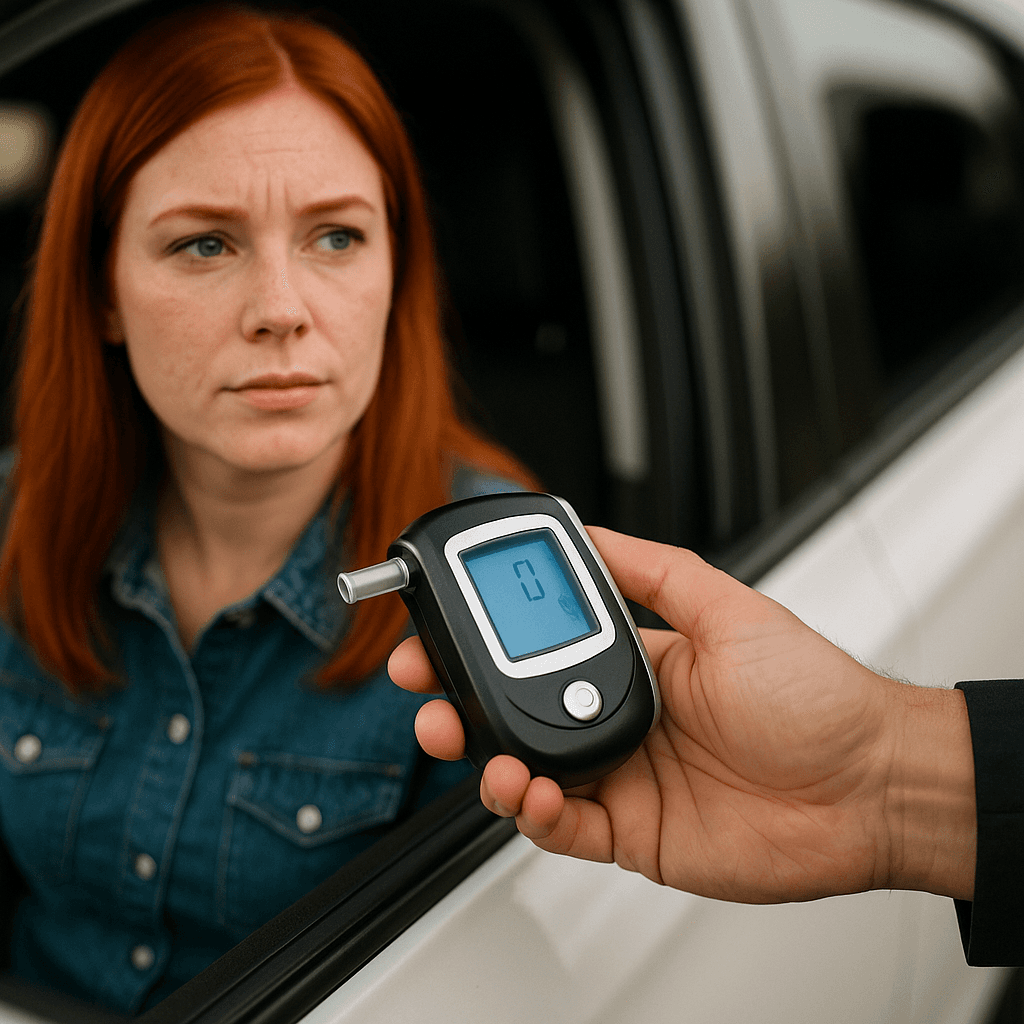



Ignition Interlock Device Requirement Creates Geographic Problem
Alaska law requires ignition interlock devices for DUI-related limited licenses under AS 28.35.030. The IID must be installed in any vehicle you operate under the limited license, and you pay for installation, monthly monitoring fees, and periodic calibration appointments. Installation costs range from $150 to $300; monthly monitoring fees run $60 to $100.
IID vendors operate primarily in Anchorage, Fairbanks, and Juneau. If you live in a roadless bush community or a remote region without local vendor service, you face a practical compliance problem: the court requires IID to grant the limited license, but no vendor operates within accessible distance to install and service the device. This creates a hardship-within-a-hardship scenario where legal eligibility does not translate to functional access.
Some judges recognize this geographic barrier and may waive the IID requirement for residents in roadless communities or regions without vendor access, but the waiver is discretionary and not guaranteed. You must raise the vendor-access problem explicitly in your petition and provide documentation showing no local vendor serves your area.
Alaska Reinstatement Base Fee
$100
Alaska charges a $100 base reinstatement fee when your suspension period ends. The fee applies regardless of whether you held a limited license during suspension. Additional fees may apply for specific violation types.
Alaska Division of Motor Vehicles fee schedule
SR-22 Filing Adds Duration and Cost
DUI-related suspensions in Alaska require SR-22 certificate of financial responsibility filing with the Division of Motor Vehicles. The SR-22 proves you carry at least the state's minimum liability coverage: $50,000 bodily injury per person, $100,000 bodily injury per accident, and $25,000 property damage. Your insurer files the SR-22 electronically with Alaska DMV on your behalf; you cannot file it yourself.
Alaska requires SR-22 filing for 5 years following DUI conviction. The filing period begins when your insurer submits the SR-22, not when your suspension ends or your limited license is issued. If your SR-22 lapses at any point during the 5-year period—because you miss a premium payment or your insurer cancels your policy—Alaska DMV receives automatic electronic notification and suspends your driving privileges immediately, even if you have already completed your original suspension and reinstated your full license.
SR-22 coverage typically costs $400 to $800 more per year than standard auto insurance for drivers with DUI convictions. Non-owner SR-22 policies cost less—$300 to $600 annually—and cover you when driving borrowed or rental vehicles, but do not cover a vehicle you own or regularly use. If you do not own a vehicle and only need coverage to meet the SR-22 filing requirement while holding a limited license, non-owner SR-22 is the cheaper path.
Complete Cost Stack for Alaska Limited License
The full cost of obtaining and maintaining an Alaska limited license during suspension includes the IID installation fee of $150 to $300, monthly IID monitoring at $60 to $100 for the duration of your limited license period, SR-22 insurance premium increase of $400 to $800 per year, and the $100 reinstatement fee when your suspension ends. Court filing fees for the limited license petition vary by district and were not confirmed from a canonical Alaska court source—contact the clerk's office in the court that handled your case for current petition fees.
These costs stack on top of any DUI fines, required alcohol education program fees, and probation costs imposed by your criminal case. Budget for the combined expense before filing your petition—you cannot install the IID or file SR-22 coverage without upfront payment, and the court will not approve your limited license until both are in place.
File Your Petition After the Hard Suspension Ends
Alaska's 90-day mandatory hard suspension for first-offense DUI begins on your conviction date. You cannot petition for a limited license until that 90-day period expires. Count the days carefully—filing before the hard period ends wastes petition fees and hearing time because the court cannot legally grant relief during the mandatory window. Subsequent DUI offenses carry longer hard periods with no limited license access; verify your specific mandatory period based on your conviction tier before filing.
Once the hard period ends, gather your documentation, contact an SR-22 insurer to initiate coverage and filing, schedule IID installation if a vendor serves your area, and file your petition with the court. If approved, your limited license allows you to drive for the court-specified purposes and hours until your full suspension period ends. At that point, pay the $100 reinstatement fee, verify your SR-22 filing remains active, and apply to Alaska DMV to reinstate your unrestricted license. Your SR-22 filing obligation continues for 5 years regardless of reinstatement.