
The Three-Window Cost Structure North Carolina LDP Petitions Require
North Carolina's Limited Driving Privilege petition process splits costs across three distinct payment windows, and the sequence matters. Court filing fees are due at petition submission. SR-22 financial responsibility filing must be active before your hearing date — typically 30-60 days after you petition. Ignition interlock device installation happens only after the judge grants the LDP, but you need to budget for it upfront because the court will ask for proof of enrollment capacity before signing your order.
The total first-year cost typically ranges $1,800-$2,400 for a DWI-triggered LDP with mandatory interlock. That figure breaks into four distinct line items: court application and administrative fees, SR-22 setup and annual filing fee, ignition interlock installation, and 12 months of interlock monitoring. The second and third years drop to roughly $1,200-$1,600 annually because installation is one-time and court fees do not recur.
Compare car insurance rates in your state
Get quotes from licensed carriers — no obligation, no spam, results in minutes.
Get Your Free QuoteNC Court Filing and Administrative Fees
$200-$300
Court costs for LDP petitions vary by county but typically include a base filing fee ($100-$150) plus administrative surcharges for DWI assessment review and substance abuse treatment verification. Some counties charge separately for the hearing itself.
NC General Statutes § 20-179.3
SR-22 Filing Setup Timing and Premium Impact
SR-22 is North Carolina's financial responsibility certificate required for DWI-based license suspensions. You file it through your auto insurer, not the DMV. The filing itself costs $25-$50 as a one-time setup fee, then recurs annually at $15-$35 for the next two renewals. North Carolina requires SR-22 for three years post-conviction, measured from the conviction date.
SR-22 filing does not raise your premium directly — the underlying DWI conviction does. Expect your monthly premium to increase $120-$220 for the first policy term after conviction. The SR-22 filing fee is separate from that increase and appears as a distinct line item on your policy documents. Your insurer electronically transmits the SR-22 certificate to NCDMV within 24-48 hours of processing, and you receive a paper copy for court.
The LDP hearing judge will ask for proof that SR-22 is active and on file with the state before granting your petition. This means you must secure coverage and file SR-22 at least 10 business days before your hearing date to account for insurer processing time and potential carrier delays. Missing this window pushes your hearing to the next available docket, typically 30-60 days later.
If your SR-22 filing lapses for any reason during the three-year period, NCDMV automatically revokes your LDP and reinstates the full suspension — no grace period, no warning letter.
Ignition Interlock Device Installation and Monthly Monitoring Costs
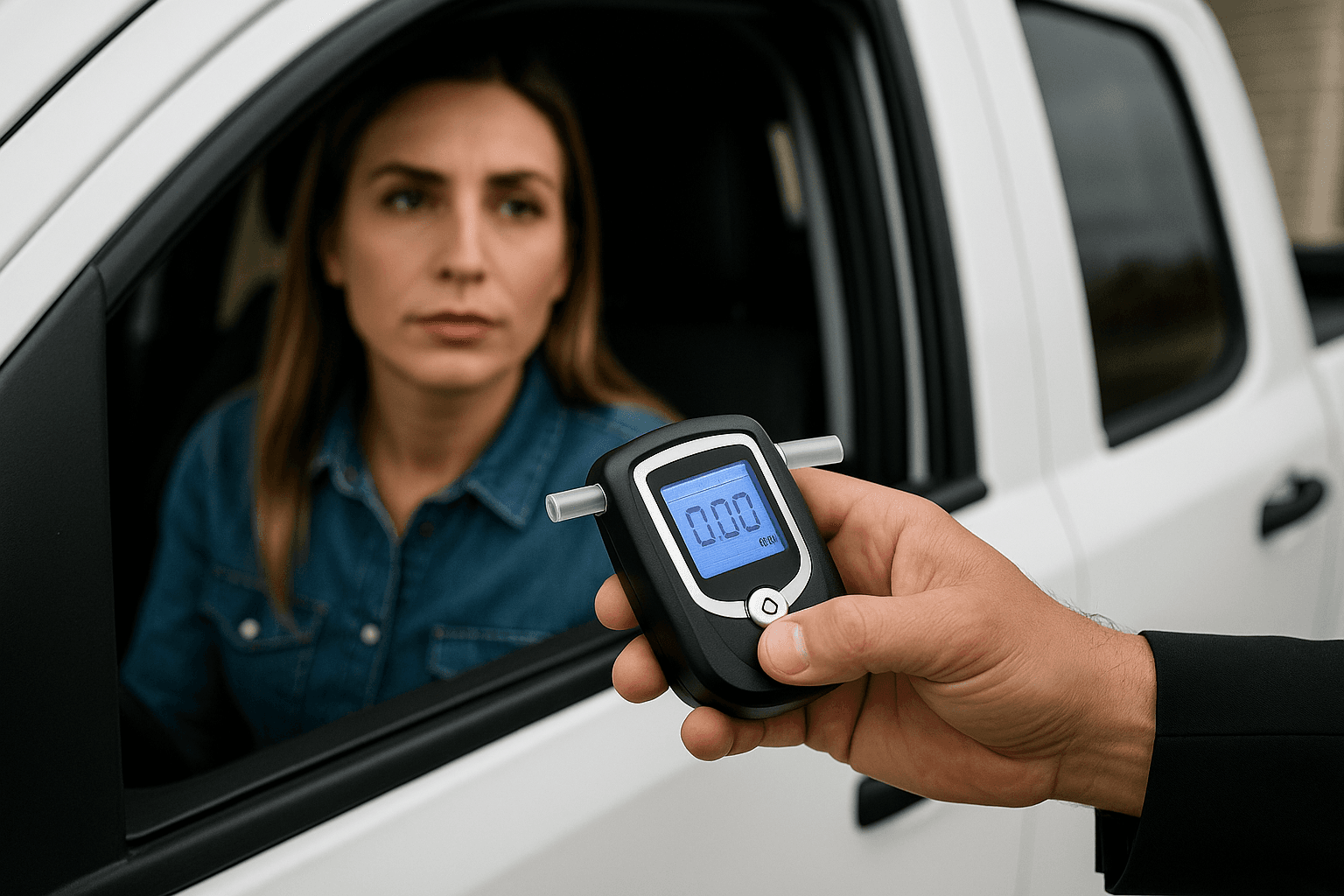
Installation costs $75-$150 depending on the vendor and vehicle type. Diesel engines, commercial vehicles, and some hybrid models incur higher installation fees because the device calibration is more complex. The vendor schedules installation within 3-5 business days of your LDP approval. You cannot legally drive the vehicle until the device is installed and the vendor transmits the installation confirmation to NCDMV.
Monthly monitoring and calibration fees run $70-$120. North Carolina-approved vendors require monthly calibration appointments where the device downloads your driving data and recalibrates the alcohol sensor. Missing a calibration appointment triggers a lockout mode after 5-7 days, and the vendor reports the violation to NCDMV and the court. Three missed calibrations in a 12-month period typically result in LDP revocation.
Related Articles




Insurance Premium Increases Post-DWI and High-Risk Carrier Access
North Carolina uses a distinct rate-filing regime governed by the NC Rate Bureau, but DWI convictions still trigger substantial premium surcharges. A first-offense DWI with BAC under 0.15 typically raises your monthly premium $120-$180 for the first three years post-conviction. BAC 0.15 or higher, or a second DWI within seven years, pushes that increase to $180-$250 monthly.
Some standard carriers non-renew policies after DWI convictions, forcing you into the non-standard or assigned-risk market. North Carolina operates a reinsurance facility for drivers unable to secure coverage in the voluntary market. Assigned-risk premiums run 40-60 percent higher than standard rates, and SR-22 filing is required before the facility will issue a policy. Expect to remain in the non-standard market for 3-5 years post-conviction unless you maintain a clean record and shop aggressively for standard-tier re-entry.
Carriers writing SR-22 in North Carolina include Dairyland, Direct Auto, Geico, National General, Progressive, State Farm, and The General. Progressive and Geico typically offer the most competitive rates for first-offense DWI cases with clean records otherwise. The General and Direct Auto specialize in high-risk cases and accept drivers with multiple DWI convictions or concurrent violations.
Ignition Interlock Monitoring Cost
$840-$1,440/year
At $70-$120 per month for 12 months, annual interlock monitoring represents the largest recurring cost component of maintaining a North Carolina LDP. This fee persists for the full duration of your LDP period, typically one year for first-offense DWI cases.
NC-approved ignition interlock vendor pricing schedules
Substance Abuse Assessment and Treatment Costs Required Before LDP Approval
North Carolina mandates completion of an ADET (Alcohol and Drug Education Traffic School) substance abuse assessment before the court will grant your LDP petition. The assessment itself costs $100-$150 and includes a clinical interview and screening instrument. The assessor generates a recommendation: no treatment required, outpatient education classes, or intensive outpatient treatment.
If treatment is recommended, you must enroll and provide proof of active participation to the court before your LDP hearing. Outpatient education programs (16-20 hours over 4-6 weeks) cost $250-$400. Intensive outpatient programs (9-12 hours per week for 8-12 weeks) cost $1,200-$2,500. The court will not approve your LDP petition until you demonstrate enrollment and attendance compliance. Some counties require completion of the full program; others accept proof of enrollment and regular attendance.
What to Budget and When Each Payment Window Opens
Before you petition: secure $200-$300 for court filing fees, $100-$150 for the substance abuse assessment, and first-month premium for SR-22 coverage ($150-$250 depending on your driving history and vehicle). These costs hit within the first 10 days of starting the LDP process. If treatment is recommended, add $250-$2,500 depending on program intensity and your county's completion-versus-enrollment requirement.
Between petition and hearing: your SR-22 must remain active, so budget for that first monthly premium. If you are enrolling in outpatient treatment, those weekly or biweekly session fees begin immediately. Total outlay during this window: $300-$600 depending on treatment requirements.
Post-approval: ignition interlock installation ($75-$150) must happen within 5 business days of the court order. Monthly monitoring fees ($70-$120) begin immediately and recur for the full LDP duration. SR-22 continues as a monthly or six-month-prepaid cost. First-year total after approval: $1,200-$1,800 for interlock monitoring, SR-22 renewals, and elevated insurance premiums. Compare coverage options now to lock the lowest available rate before your LDP hearing — premium differences of $40-$80 monthly compound to $500-$1,000 annually, and those gaps widen in year two and three when your driving record begins to age out.